

Key Takeaways
Choosing a cardiologist in Sharjah is easier when you match the doctor’s expertise, facilities, access, and communication style to your needs.
- Seek urgent help for severe or sudden chest symptoms.
- Match the specialist’s training to your condition and age group.
- Check licensing, experience, hospital support, and diagnostic services.
- Bring records, medication details, and family history to your visit.
- Treat heart care as an ongoing partnership, not a single appointment.
Understand when to see a cardiologist in Sharjah
You do not need to wait for a serious diagnosis before consulting a heart specialist. A cardiologist can assess symptoms, review risk factors, interpret test results, and help you decide what care is appropriate. If you are searching for a cardiologist sharjah, begin by considering why you need the appointment and how quickly you need medical advice.
Symptoms that may indicate a heart condition
Breathlessness, chest discomfort, unusual tiredness, dizziness, fainting, palpitations, and swelling in the legs can all deserve medical assessment. These symptoms may have several causes, so they do not automatically mean you have heart disease. Still, recurring or worsening symptoms should not be dismissed, especially if you have diabetes, high blood pressure, high cholesterol, or a family history of cardiovascular disease.
A practical heart health checkup guide can help you understand what information and tests may be discussed during an evaluation. Your clinician may also ask when symptoms began, what brings them on, and whether they improve with rest.
Routine heart health checks and risk assessment
A routine consultation can be useful even when you feel well. Your doctor may review blood pressure, cholesterol, blood sugar, weight, smoking history, activity levels, sleep, stress, and family history before deciding whether further testing is needed. Preventive care is particularly helpful when several smaller risks occur together.
You may also find it useful to read about healthy heart signs before your visit. That information should support a conversation with a qualified clinician, not replace one.
When chest pain requires urgent medical attention
Sudden, severe, or persistent chest pain requires urgent medical attention, particularly when it occurs with sweating, nausea, faintness, pain spreading to the arm or jaw, or difficulty breathing. Call local emergency services rather than driving yourself if symptoms are intense or rapidly worsening. Do not wait for a clinic appointment to see whether serious symptoms pass.
For a clear reminder of immediate steps, review this heart attack first aid guide. Emergency advice should always take priority over online reading.
Referrals from a general practitioner or specialist
A general practitioner may refer you when symptoms, examination findings, or test results suggest that a cardiology opinion would help. You can also be referred by another specialist, such as a diabetologist or nephrologist, when your wider health affects cardiovascular risk. Bring the referral note and ask what question the cardiologist is expected to answer.
That preparation keeps the appointment focused and can reduce repeated testing. It also helps the cardiologist understand what has already been investigated.
Choose the right type of cardiology specialist
Cardiology includes several areas of practice, and the most suitable specialist depends on your symptoms, diagnosis, age, and treatment needs. A general cardiologist may be the right starting point for risk assessment or common heart conditions, while another specialist may be more appropriate for rhythm problems or catheter-based procedures. Ask the clinic which type of consultation best matches your reason for booking.

General and preventive cardiology
General and preventive cardiology commonly address risk factors such as hypertension, abnormal cholesterol, diabetes, smoking, and family history. This type of consultation may also cover symptoms, early diagnosis, lifestyle changes, and long-term monitoring. If your needs are not yet clear, a general cardiologist can often help define the next step.
Apollo Clinic UAE describes cardiology services that include prevention, diagnosis, treatment, and management of heart conditions. You can also review its cardiology department guide to understand what a first consultation and common investigations may involve.
Interventional cardiology for catheter-based procedures
Interventional cardiologists perform catheter-based procedures used to investigate or treat selected heart and blood-vessel conditions. If your doctor mentions angiography, angioplasty, stenting, or another invasive assessment, ask who will perform it, where it will take place, and what alternatives exist. You should also understand the expected recovery and possible risks.
A referral does not mean a procedure is inevitable. It means the specialist can assess whether an intervention is appropriate for your particular findings.
Electrophysiology for heart rhythm disorders
Electrophysiology focuses on electrical activity and rhythm disorders, including persistent palpitations, some fast or slow heart rhythms, and unexplained fainting. Your assessment may involve an ECG, ambulatory monitoring, or other rhythm testing before a treatment decision is made. Describe the timing and duration of episodes as precisely as possible.
A brief symptom diary can be surprisingly useful. Note your pulse if you can do so safely, what you were doing, and whether dizziness, chest discomfort, or breathlessness occurred.
Pediatric cardiology for children and teenagers
Children and teenagers should be assessed by a clinician experienced with younger patients when there is a murmur, fainting, exercise-related symptoms, congenital heart concern, or a known family condition. Pediatric cardiology differs from adult care because symptoms, normal findings, communication, and testing must be interpreted according to age and development.
Ask whether the clinic can coordinate care with the child’s pediatrician and whether parents will receive a clear explanation of the findings. A calm consultation can make testing less intimidating for the whole family.
Evaluate a cardiologist’s qualifications and experience
A polished clinic setting is reassuring, but clinical fit matters more. You should verify that the doctor is licensed to practise in the UAE and has experience relevant to your symptoms or diagnosis. It is equally reasonable to assess whether the doctor listens carefully, explains uncertainty, and gives you time to ask questions.
Board certification and professional licensing
Look for current professional licensing and relevant postgraduate training. Depending on the situation, you may also ask about board certification, professional memberships, and continuing education. Clinic staff should be able to explain how credentials are verified and which authority regulates the doctor’s practice.
Do not be embarrassed to ask for clarification. A transparent answer is part of a trustworthy healthcare experience.
Experience treating your specific condition
Experience should be relevant rather than merely impressive in general terms. Ask how the cardiologist approaches your condition, how often they manage similar cases, and whether they coordinate with other specialists when needed. If you are seeking advice about cardiomyopathy or heart failure, this cardiomyopathy and heart failure guide can help you understand why the terms are related but not interchangeable.
Your own history still determines the right plan. General information can prepare better questions, but it cannot replace an individual assessment.
Hospital affiliations and clinical facilities
Ask where diagnostic tests, procedures, admissions, and emergency escalation would occur if they became necessary. A clinic may provide consultations and some testing while referring patients elsewhere for hospital-based care. Knowing that pathway in advance can make decisions less stressful.
You can compare whether the clinic offers the tests you are likely to need, how results are communicated, and who remains responsible for follow-up.
Communication style and language preferences
You should be able to describe symptoms without feeling rushed and understand what the doctor recommends. If you prefer a particular language, ask whether a suitable clinician or support person is available. Clear communication is especially important when you are choosing between monitoring, medication, a procedure, or another opinion.
Apollo Clinic UAE presents its care as patient-focused, with doctors and staff who aim to explain concerns clearly in a comfortable, organized environment. That kind of communication can help you participate more confidently in decisions.
Compare cardiology services and diagnostic testing
The right clinic is not necessarily the one with the longest list of tests. It is the one that can select appropriate investigations, explain why they are needed, and connect results to a sensible care plan. Before booking, ask which tests are available on site and how quickly reports are reviewed.
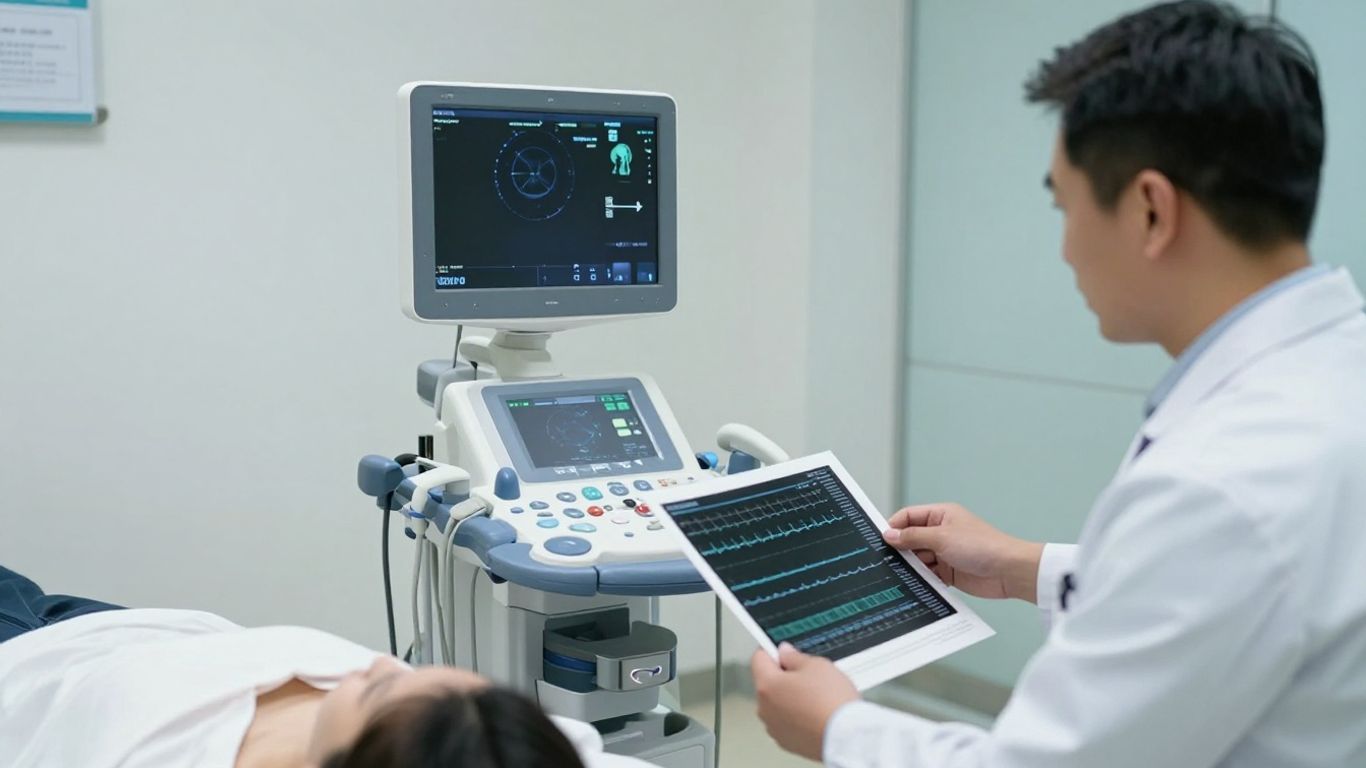
Electrocardiograms and echocardiograms
An electrocardiogram records the heart’s electrical activity, while an echocardiogram uses ultrasound to assess heart structure and function. They answer different questions and may be used together, depending on your symptoms and examination. Ask whether the cardiologist interprets the result during the consultation and how follow-up is arranged.
Apollo Clinic UAE lists ECG and echocardiography among its cardiology diagnostic tools. Its cardiology services overview also explains how investigations may support diagnosis, treatment, and prevention.
Stress tests and cardiac imaging
Stress testing observes how the heart responds to exertion or another controlled challenge. Other cardiac imaging may be considered when a clinician needs more detail about structure, blood flow, or another specific concern. The choice should follow your history and examination rather than a desire to order every available test.
Ask whether you need to fast, adjust medicines, wear comfortable clothing, or arrange transport afterward. Small practical details can affect the safety and usefulness of testing.
Holter monitoring and other rhythm tests
A Holter monitor or another ambulatory device records heart rhythm over a longer period than a resting ECG. This can be useful when palpitations or dizziness are intermittent and do not occur during a short appointment. Tell the clinic how long you need to wear the monitor and how symptoms should be recorded.
When you return the device, ask when the report will be ready and who will explain it. A result is most useful when it leads to a clear next step.
Laboratory testing and cardiovascular risk screening
Blood tests may help assess cholesterol, glucose, kidney function, anemia, thyroid-related issues, or other factors that influence cardiovascular risk. The exact panel depends on your symptoms, medical history, medicines, and examination. Ask whether fasting is required and whether previous results can be used.
A clinic that explains the purpose of each test helps you avoid confusion and unnecessary expense. The interpretation should always be tied to your overall health rather than a single number.
Consider practical factors when selecting a clinic
Clinical quality and everyday convenience work together. A clinic that is difficult to reach, does not accept your insurance, or cannot offer a workable follow-up schedule may become difficult to use consistently. Compare the full care pathway, not only the first consultation fee.
Location and appointment availability
Choose a location you can reach reliably from home or work in Sharjah, Dubai, or nearby areas. Ask about appointment times, expected waiting periods, cancellation policies, and whether urgent concerns can be triaged. A convenient appointment is valuable when symptoms need timely review.
Apollo Clinic UAE is based in Karama, Dubai, and its multispecialty clinic guide explains how coordinated services and diagnostics can support families managing different healthcare needs.
Health insurance coverage and consultation fees
Confirm whether the clinic accepts your insurance and whether direct billing applies to consultations, tests, or procedures. Ask about consultation charges, follow-up fees, reporting costs, and possible referral expenses before agreeing to non-urgent testing. Written estimates are helpful when several services are involved.
If you are paying directly, compare value rather than choosing solely by the lowest price. Clear fees and clear clinical reasoning usually make the process easier.
Emergency access and hospital support
A cardiology clinic should explain what to do if symptoms become urgent outside appointment hours. Ask whether emergency services are available on site, where patients are transferred when hospital care is needed, and how test results follow you between settings. For severe chest pain or breathing difficulty, use emergency services rather than waiting for the clinic.
This distinction matters: outpatient convenience is helpful, but it is not a substitute for emergency cardiac care.
Follow-up care and appointment continuity
Ask who reviews test results, how you receive them, and whether you can see the same doctor at follow-up. Continuity makes it easier to track blood pressure, symptoms, medication effects, and lifestyle changes over time. It also reduces the chance that important details are lost between appointments.
Before leaving, make sure you know the next appointment date or the process for arranging one. A written plan is easier to follow than a memory of a hurried conversation.
Prepare for your first cardiology appointment
A well-prepared visit gives you and the cardiologist more time for meaningful discussion. Bring relevant records, write down your symptoms, and think about what you want to understand by the end of the appointment. You do not need a perfect medical summary; a clear timeline is enough.
Medical records and previous test results
Bring referral letters, hospital discharge summaries, ECGs, imaging reports, blood-test results, and details of previous procedures if you have them. If records are digital, check that you can access them before arriving. Do not assume that another clinic has automatically sent every document.
A short written timeline can include when symptoms started, how often they occur, and whether they are changing. This often helps more than trying to recall everything under pressure.
Medication, supplement, and family history details
List every prescription medicine, over-the-counter product, vitamin, and supplement, including dose and frequency. Note allergies and any medicine you stopped taking. Also record close relatives with heart disease, stroke, rhythm disorders, sudden cardiac death, diabetes, or high blood pressure.
You can use a simple phone note and update it before each visit. For general questions about food services or subscriptions, keep unrelated resources separate from your medical records, such as this meal service FAQ, which is not a substitute for clinical advice.
Questions to ask about diagnosis and treatment
Write questions in advance so you can ask them calmly. Useful questions include:
- What could be causing my symptoms?
- Which tests are necessary, and what will each test show?
- What treatment choices are available?
- What warning signs should prompt urgent help?
After asking, repeat the plan in your own words to check that you understood it. Clear next steps matter when you are managing an unfamiliar diagnosis.
What to expect after the consultation
You may leave with reassurance, a request for testing, a prescription, a referral, or a follow-up appointment. Ask when results will be available and whom to contact if symptoms change before then. If the plan feels unclear, request written instructions.
A second opinion is reasonable when the diagnosis is complex, treatment carries significant risk, or you simply need more confidence. It should complement, not delay, urgent care.
Understand treatment and long-term heart care
Heart care often develops over time rather than ending after one consultation. Your plan may combine lifestyle changes, medication, monitoring, procedures, or referrals, depending on the condition. The most useful plan is one you understand and can follow safely.
Lifestyle changes that support cardiovascular health
Your cardiologist may discuss regular physical activity, balanced eating, weight management, sleep, stress, smoking cessation, and limiting alcohol. The right pace depends on your symptoms and diagnosis, so ask what activity is safe before beginning strenuous exercise. Small, repeatable changes are usually easier to maintain than dramatic short-term efforts.
Keep track of the habits that affect your symptoms and measurements. That record gives you something concrete to review at follow-up.
Medications and how to use them safely
Ask what each medicine is for, when to take it, what to do if you miss a dose, and which side effects require advice. Do not stop or change heart medication without speaking with your clinician. Tell the cardiologist about supplements and medicines prescribed by other doctors to reduce the risk of interactions.
Use one current medication list and update it after every change. Pharmacists can also help clarify practical questions about timing and safe use.
Procedures, surgery, and second opinions
If a procedure or surgery is recommended, ask what problem it addresses, what alternatives exist, how urgent it is, and what recovery may involve. You can ask which specialist will perform it and where care will take place. For non-emergency decisions, a second opinion can help you compare options and feel comfortable with the plan.
Specialist advice should be based on your records and test results. Bring the same information to any second consultation so the comparison is fair.
Monitoring progress and preventing complications
Follow-up may include home blood-pressure readings, repeat blood tests, rhythm monitoring, imaging, or medication reviews. Keep appointments even when you feel better unless your clinician changes the schedule. Early reporting of new swelling, worsening breathlessness, fainting, or recurring chest symptoms may prevent a small problem from becoming more serious.
Your care team should tell you which symptoms are expected and which require urgent action. A dependable monitoring plan gives you confidence without encouraging unnecessary worry.
Conclusion
Choosing a cardiologist in Sharjah becomes more manageable when you focus on clinical fit, relevant experience, diagnostic access, practical support, and clear communication. Prepare your records, ask direct questions, and seek urgent help for serious symptoms rather than waiting for a routine appointment.
Frequently Asked Questions
When should I see a cardiologist in Sharjah?
Consider an appointment for recurring chest discomfort, breathlessness, palpitations, fainting, swelling, unexplained fatigue, abnormal test results, or significant cardiovascular risk factors. Severe or sudden symptoms require emergency care instead.
How do I choose between a general cardiologist and a subspecialist?
Start with the reason for your visit. General cardiology suits many preventive and diagnostic concerns, while rhythm disorders, catheter-based procedures, and childhood heart conditions may require a relevant subspecialist.
What credentials should I check?
Verify current professional licensing, relevant training, and experience with your condition. You can also ask about hospital affiliations, diagnostic facilities, and how the doctor handles referrals or complex cases.
What tests might a cardiologist order?
Depending on your symptoms, testing may include an ECG, echocardiogram, stress test, ambulatory rhythm monitoring, blood tests, or other imaging. Your clinician should explain why a test is recommended.
What should I bring to my appointment?
Bring identification and insurance information, referral letters, previous results, discharge summaries, a medication and supplement list, allergy details, and a brief family and symptom history.
Is a second opinion appropriate for heart treatment?
A second opinion can be helpful for complex diagnoses, major procedures, or treatment choices with significant risks. Do not delay emergency treatment while seeking another consultation.
How can I support heart health between appointments?
Follow the agreed medication plan, attend follow-ups, monitor recommended measurements, stay physically active within medical guidance, eat a balanced diet, avoid smoking, and report concerning changes promptly.