
Key Takeaways
A CBC is a common blood test that offers useful information about different blood cells, but it needs to be interpreted in context. Knowing what to ask and how to prepare can make booking and follow-up feel more straightforward.
- A CBC measures red blood cells, white blood cells, and platelets, along with related values such as hemoglobin.
- A clinician may recommend the test for symptoms, routine monitoring, or follow-up of a health concern.
- Fasting is not usually needed for a CBC alone, but follow the instructions you receive for any combined tests.
- Before booking, check the collection arrangements, laboratory processing, reporting, and how results will be discussed.
- An out-of-range result is not a diagnosis by itself; review it with a clinician who knows your health history.
What a complete blood count measures
A complete blood count, often shortened to CBC, looks at the number and characteristics of several types of cells in your blood. The report may include red blood cells, white blood cells, platelets, hemoglobin, and other related measurements. Your clinician considers these values alongside your symptoms, medical history, and reason for testing. The overall pattern matters more than any one number viewed alone.
Red blood cells, hemoglobin, and oxygen transport
Red blood cells carry oxygen from your lungs to tissues throughout your body. Hemoglobin is the protein in those cells that binds oxygen, and a CBC commonly reports its level along with red blood cell measurements. Related values can help a clinician assess whether further evaluation may be useful, including when anemia is a concern. They do not, on their own, identify the cause of a low or high result.
White blood cells and immune activity
White blood cells are part of your immune system, and their numbers may change for many reasons, including infection, inflammation, medicines, or other health conditions. A CBC provides a count that can contribute to a clinician’s assessment, rather than a complete account of immune function. If symptoms such as fever or feeling unwell prompted the test, share when they began and whether they are changing. That context helps make the result more useful.
Platelets and blood clotting
Platelets help your blood form clots after an injury. A CBC measures their number, which may be relevant if you have unusual bruising or bleeding, or if a clinician is monitoring a condition or treatment. The platelet count is only one part of assessing bleeding or clotting concerns. Your clinician may consider other tests or an examination depending on what you report.
What the test can—and cannot—show
A CBC can provide a broad snapshot of blood cell counts, but it does not diagnose a specific illness on its own. For example, an abnormal value can have multiple possible explanations, and a normal result does not rule out every health problem. A clinician may weigh the findings against your symptoms and decide whether any follow-up is appropriate. The table below gives a general sense of how the main components are used in that discussion.
| CBC component | General role | What a clinician may consider |
|---|---|---|
| Red blood cells and hemoglobin | Relate to oxygen transport | Whether additional assessment is appropriate |
| White blood cells | Part of immune activity | Symptoms, recent illness, or other possible causes |
| Platelets | Contribute to clot formation | Bleeding history, bruising, or monitoring needs |
These are broad associations, not a way to interpret your own result without medical advice. For a plain-language overview of the measured values, see this guide to CBC blood test results.
When to consider booking a CBC
A CBC may be requested for several different reasons, and there is no single schedule that suits everyone. Your clinician may use it to investigate a symptom, monitor a known condition, or follow the effects of treatment. If you are considering a test because you feel unwell, a clinical conversation can help determine whether a CBC is appropriate or whether another assessment is more urgent. An anaemia testing overview can also explain why a CBC may be considered alongside other checks.

Symptoms a clinician may investigate
Persistent tiredness, weakness, unexplained bruising, or bleeding are among the concerns a clinician may ask about when deciding whether to order a CBC. These symptoms can have many causes, so the test is one possible part of an assessment rather than a complete answer. Describe what you have noticed, how long it has been happening, and whether anything makes it better or worse. If you have fever or other symptoms, mention those as well.
Routine checkups and monitoring
A CBC may be included in a checkup when your clinician believes it fits your health history or current needs. It is not automatically necessary for everyone at every routine visit. If you are planning broader preventive care, consider discussing which tests fit your age, personal risks, and medical history; a full body screening guide offers questions you can raise with your clinician. The aim is to choose tests for a reason, not simply to collect results.
Follow-up for an existing condition or treatment
If you have a condition that affects blood cells, or you are receiving a treatment that may affect them, your clinician may recommend repeat CBC testing. The timing depends on the reason for monitoring and your individual care plan. Keep a record of previous results if you have them, but avoid comparing numbers without checking whether the same measures and reference ranges are being used. Ask the clinician what change they are monitoring and when you should follow up.
When urgent symptoms need prompt medical care
Some symptoms need prompt clinical attention rather than a routine lab booking. Seek urgent care for severe or rapidly worsening symptoms, significant bleeding, fainting, difficulty breathing, or a sudden change in how you feel. Do not delay urgent assessment while waiting to arrange a CBC. The appropriate next step depends on your symptoms and local emergency guidance.
Choosing where to have your blood test in Dubai
When booking a CBC in Dubai, consider more than convenience: check who collects the sample, where it is analyzed, how results are shared, and whether a clinician can explain them. You may prefer a clinic visit or home collection, depending on your schedule and circumstances. For example, Apollo Clinic describes medical lab tests in Dubai, including home sample collection and doctor consultations. A guide to choosing a medical laboratory can help you compare practical questions before you book.
Comparing clinic and at-home testing
A clinic appointment gives you a place to have your sample collected, while home collection may suit you if travel or scheduling is difficult. Whichever you choose, check that the service is appropriate for the test you need and that you understand how the sample will be handled. Apollo Clinic lists home sample collection among its medical services; confirm the current arrangements and availability directly when you book. You can also read about home blood test appointments to understand the usual steps involved.
Checking what the service includes
Ask whether the quoted service covers only collection and testing or also includes a report and an opportunity to discuss results. Be clear about whether you need a CBC alone or whether your clinician has requested additional tests. Service descriptions for other kinds of appointments are not a guide to CBC testing: Galaxy Studios sets out terms for bookings and services, while hardwood floor refinishing, fireplace cleaning, an AC tune-up, and Biblical life coaching concern entirely different services. For your blood test, rely on the laboratory’s own test and booking information.
Confirming the laboratory processes the sample
The person collecting your blood and the laboratory analyzing it may be part of different steps in the service. Before booking, ask where the sample will be processed, how the report will be delivered, and whom to contact if you have questions. Apollo Clinic describes laboratory services that include blood testing and online reports; confirm which arrangements apply to the specific CBC you are booking. You may also compare medical lab options through Apollo Clinic laboratory services.
Questions to ask when booking
A short conversation before you confirm can clear up practical details and help you know what to expect. Consider asking:
- Is the CBC available at the location or through home collection I prefer?
- Does this booking include any other tests, and do they change the preparation instructions?
- When and how will I receive the report, and who can discuss it with me?
- What identification or booking details should I have ready?
The answers should help you choose an option that fits your needs without making assumptions about timing or what is included. If you are comparing home testing, check the service’s current collection area and instructions before setting a time.
How to prepare for the test
Preparation for a CBC is usually straightforward, but instructions can differ if you are having other tests at the same time. When you book, tell the service what your clinician requested and ask whether any preparation is needed. Apollo Clinic describes home lab testing with sample collection and online reporting; confirm the specific instructions for your appointment rather than relying on general advice. A practical CBC preparation guide can help you think through what to ask.
Whether fasting is usually needed
A CBC by itself generally does not require fasting. However, another test ordered at the same time may have different requirements, so check the full test list with your clinician or laboratory before changing your meals. Do not fast unnecessarily if you have not been asked to do so, especially if fasting could affect your health or medication routine. If instructions are unclear, ask before the appointment.
Sharing medications, supplements, and health details
Tell your clinician or the collection team about prescription medicines, over-the-counter medicines, and supplements you take. Do not stop or change a medicine just to prepare for a CBC unless the clinician who prescribed it has advised you to. Mention relevant health conditions and any recent changes in your health. These details can help a clinician interpret the report in context.
Planning around illness, exercise, or other factors
A recent illness or other temporary change in your health may be relevant to why the test was ordered and how results are interpreted. If you have become unwell since booking, contact the clinician or laboratory to ask whether to keep the appointment. You can also make the collection easier by planning a little time to arrive or get settled at home. Let the person collecting your sample know if you have fainted during blood draws before.
Following any instructions from your clinician or lab
General preparation advice cannot replace instructions for your specific appointment. Follow the directions you receive, especially when a CBC is combined with other tests or part of a monitoring plan. If you receive conflicting instructions, check with the clinician who ordered the test or the laboratory before proceeding. That small check can prevent avoidable confusion on the day.
What to expect during the appointment
A CBC appointment usually involves confirming the test request and collecting a small blood sample. The process is brief for many people, though the exact experience can vary by location and by whether collection is at a clinic or at home. You can ask questions before the draw and tell the collector about any concerns, such as a history of fainting. Knowing the basic steps may make the visit feel more manageable.
Confirming your identity and test details
The collector or clinic staff may ask you to confirm identifying details and the tests that have been requested. Check that the order reflects what your clinician intended, particularly if several tests are being collected at once. This is also a good moment to confirm any preparation instructions you followed or questions that have come up. If something does not look right, ask before the sample is taken.
How the blood sample is collected
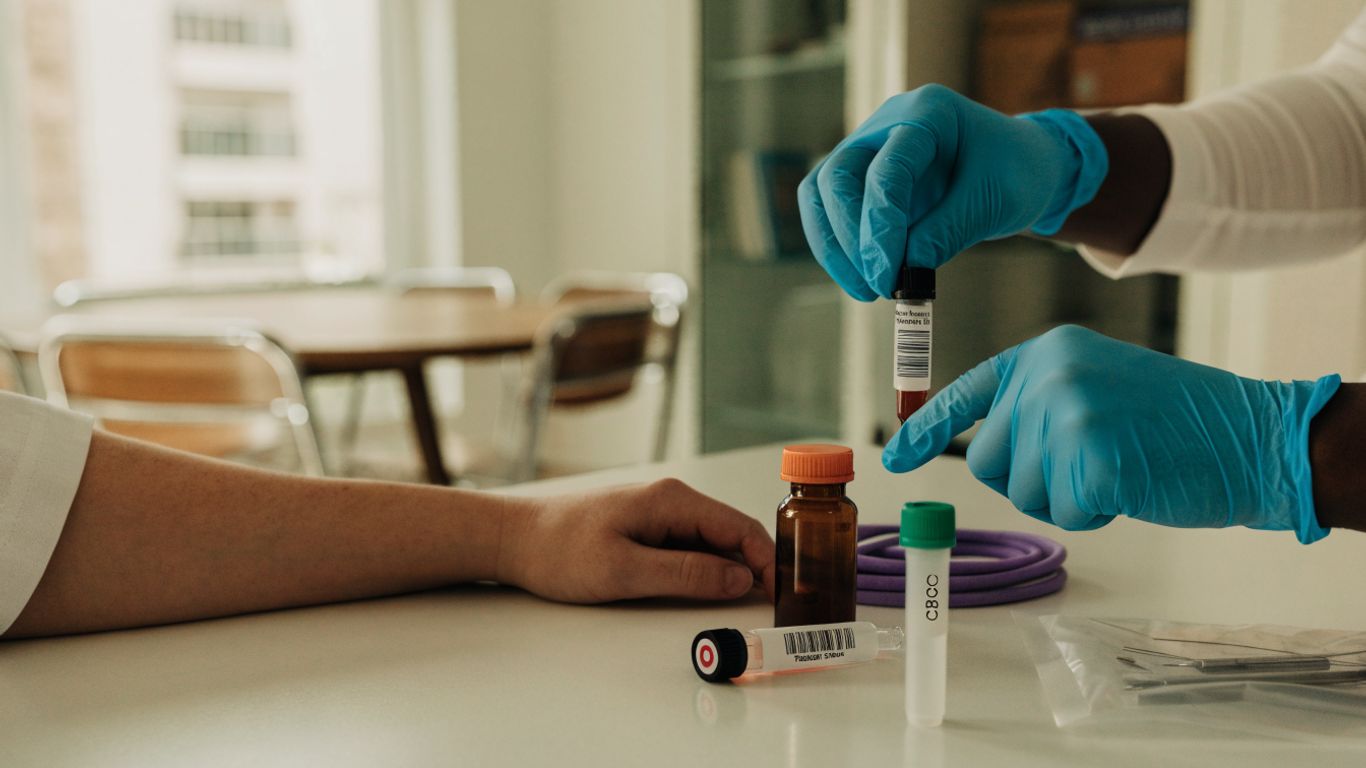
For a typical CBC, a trained person collects blood from a vein, usually in your arm, using a needle and a collection tube. The area is cleaned first, and the sample is then labeled for laboratory processing. If you are nervous, say so; the collector can explain what is happening and help you get settled. If you have a preferred arm or a history of difficult draws, mention it before they begin.
Comfort, safety, and possible side effects
You may feel a brief pinch when the needle enters, and some people notice mild soreness or a small bruise afterward. Keeping your arm relaxed and following the collector’s instructions can help the process go smoothly. Tell the staff if you feel lightheaded, nauseated, or unwell during or after the draw. If bleeding continues or you develop a concern after leaving, contact a healthcare professional for advice.
What may differ with at-home collection
With home collection, the collector comes to the agreed address, so you should check the appointment window, access details, and any preparation requirements in advance. Apollo Clinic states that its home lab tests include collection by DHA-approved phlebotomists, with results available by email, WhatsApp, or printed copy; confirm what applies to your booking. For a broader overview of home blood collection, check the service details and coverage before confirming. The blood draw itself is still a sample collection, but the setting and logistics differ.
Understanding your CBC results
Your report may contain several values, each with a reference range supplied by the laboratory. A result outside that range does not automatically mean you have a disease, and a result within range cannot answer every health question. Your clinician can explain what the pattern means in light of your symptoms, history, and reason for testing. If a report is available online, make a note of questions rather than trying to interpret each value in isolation.
How to read values alongside reference ranges
Reference ranges are included to help put a measurement in context, but they are not a pass-or-fail line. Look at the test name, result, units, and range together, and check whether the report marks a value as higher or lower than expected. One flagged value may have a different significance from a pattern across several measures. A clinician can explain which findings matter for your situation and whether anything should happen next.
Why results can vary between people and labs
Results can differ with factors such as age, health circumstances, and the laboratory’s methods and reference ranges. A value that appears different from a previous report may also reflect changes in your health or differences in the testing context. For useful comparisons, share previous reports with your clinician and note where and when the tests were done. Avoid using another person’s results as a benchmark for your own.
When a clinician may recommend repeat testing
A clinician may suggest repeating a CBC when a result needs checking, when symptoms continue, or when monitoring is part of your care plan. The reason and timing depend on the situation, so there is no universal repeat interval. Ask what the repeat test is intended to clarify and whether you should watch for any changes in the meantime. If your condition worsens before the planned follow-up, seek advice sooner.
Discussing abnormal findings and next steps
If a result is outside its reference range, arrange to discuss it with the clinician who requested the test or another qualified healthcare professional. They may review your symptoms and medical history, consider whether the result is significant, and decide if another test or follow-up is needed. Apollo Clinic describes doctor consultations alongside its lab services; confirm how a discussion of your CBC results can be arranged. Bring the full report and a list of medicines or supplements you take so the conversation has useful context.
Conclusion
A CBC is a practical way to measure several blood cell components, but its meaning depends on the reason for testing and your wider health picture. Before you book, check the collection and reporting arrangements, follow the instructions you receive, and plan to review the results with a clinician who can put them in context.
Frequently Asked Questions
What does a complete blood count test measure?
A CBC measures red blood cells, white blood cells, and platelets, along with related measurements such as hemoglobin. The exact values included can vary by laboratory and the test ordered.
Do you need to fast before a CBC?
Fasting is generally not needed for a CBC alone. If you are having other tests at the same time, ask whether those tests require fasting.
Why might a clinician order a CBC?
A clinician may request one to investigate symptoms, as part of a checkup when appropriate, or to monitor a condition or treatment. The reason depends on your health and care plan.
How is a blood sample collected for a CBC?
A trained collector usually takes a small sample from a vein in your arm and sends it for laboratory analysis. Tell the collector if you have concerns or a history of fainting during blood draws.
Can a CBC diagnose an illness by itself?
No. A CBC can provide useful information, but it does not identify a specific illness on its own. A clinician interprets the results with your symptoms and other relevant information.
What does an out-of-range CBC result mean?
It means a value is outside the laboratory’s stated reference range, but it does not by itself confirm a diagnosis. Ask a clinician to explain the finding in light of your health and reason for testing.
When should you seek urgent care instead of booking a routine test?
Seek prompt medical care for severe or rapidly worsening symptoms, significant bleeding, fainting, difficulty breathing, or a sudden change in your condition. Do not wait for a routine test appointment if you need urgent assessment.