
Key Takeaways
Small, consistent habits can help you protect your feet and notice problems early.
- Check both feet every day, including the soles and spaces between the toes.
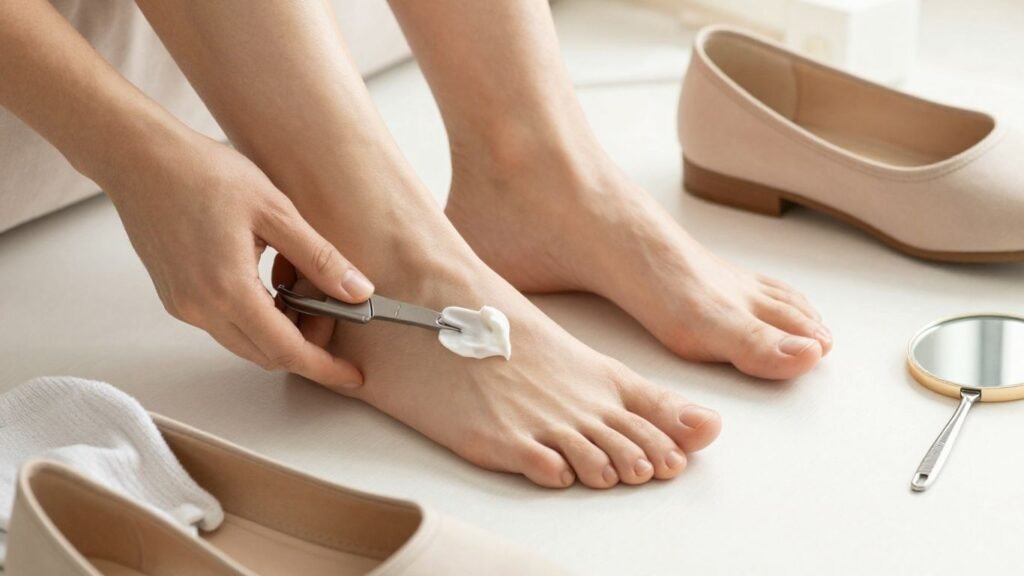
- Wash gently, dry thoroughly, and moisturize dry skin without lotion between the toes.
- Trim toenails straight across and choose shoes and socks that fit comfortably.
- Protect your feet from heat, cold, sharp objects, friction, and minor injuries.
- Keep blood sugar and circulation concerns under medical review, and seek help promptly for changes.
1. Inspect your feet every day
Make a daily foot check part of a routine you already follow, such as getting dressed or preparing for bed. Look at the tops, soles, heels, sides, and spaces between your toes. You are checking for cuts, blisters, redness, swelling, cracks, bruising, drainage, or changes in the shape and color of your skin.
Nerve damage can reduce your ability to feel pain, heat, or pressure, so a small injury may not announce itself clearly. Use a mirror to see the soles, or ask someone you trust to help if bending is difficult. Early attention matters because a problem that looks minor can become harder to manage if it is overlooked.
Keep a simple note of anything that is new, especially if it does not improve. These daily observations can also make conversations with your clinician more precise. For broader information about symptoms, causes, and treatment options, you can review this guide to diabetes symptoms and care, while remembering that a foot concern deserves individual medical advice.
A short checklist can make the inspection easier to repeat:
- Compare one foot with the other for new swelling or color changes.
- Check around each toenail for tenderness, redness, or drainage.
- Feel for areas of unusual warmth, hardness, or rubbing.
- Look inside shoes for stones, rough edges, or anything that could injure skin.
Once you have checked both feet, record a concern or contact a healthcare professional rather than waiting for it to disappear.
2. Wash and dry your feet carefully
Clean feet are easier to inspect and less likely to develop irritation from sweat, dirt, or residue. Wash them with lukewarm water and a mild cleanser, using your hands or a soft cloth rather than scrubbing hard. Very hot water can burn skin, particularly if reduced sensation makes it difficult to judge temperature safely.
Dry your feet with care after washing, including the spaces between the toes. Pat rather than rub if your skin is fragile, and use a clean towel. Keeping those narrow spaces dry helps prevent the soggy, softened skin that can split or become irritated.
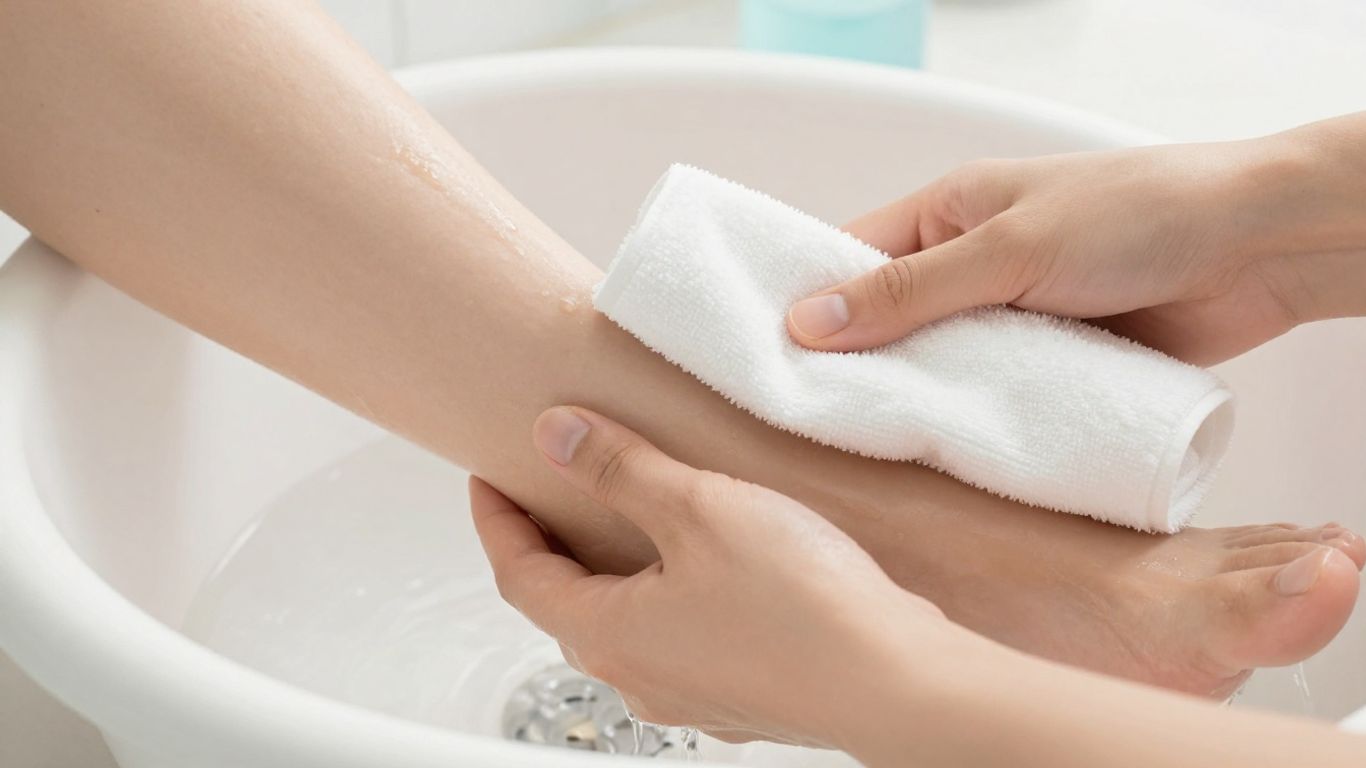
If you have trouble reaching your feet, ask for assistance instead of rushing. Apollo Clinic can be part of your care conversation when you need clear guidance about diabetes-related concerns in Karama, Dubai. Wash daily, but avoid prolonged soaking unless a clinician has specifically advised it, since soaking may leave skin overly dry or delicate.
3. Moisturize dry skin without applying lotion between your toes
Dry, cracked skin gives irritation and germs more opportunity to enter, so apply a fragrance-free moisturizer after washing and drying. Smooth it over the tops, bottoms, heels, and other dry areas. A cream or ointment may be more helpful than a thin lotion when the skin is especially rough, but follow advice suited to your skin.
Keep moisturizer out of the spaces between your toes. Those areas naturally hold moisture, and adding cream can leave them damp. If you notice persistent peeling, itching, cracking, or a change in smell, do not simply cover it with more product; ask a healthcare professional to assess it.
Avoid cutting thick patches of skin, using harsh scrubs, or applying home remedies that sting. A gentle routine is safer, especially when sensation is reduced. Check your skin again after moisturizing so you can notice whether a crack, sore, or irritated patch is changing.
4. Trim your toenails safely
Trim toenails when they are clean and slightly softened, using clean clippers. Cut straight across rather than rounding deeply into the corners, and do not cut them extremely short. This approach can reduce the chance of sharp edges or an ingrown nail pressing into nearby skin.
Do not pick at the corners, tear nails, or try to remove an ingrown nail yourself. If your vision, flexibility, or sensation makes nail care difficult, ask a podiatry professional or another trained healthcare professional for help. Someone with circulation problems may need especially careful guidance before trimming at home.
After trimming, smooth a rough edge gently with a file and inspect the surrounding skin. Redness, swelling, drainage, increasing tenderness, or a nail that is pressing into the skin should be addressed promptly. Nail color or thickness changes also deserve attention when they are new or persistent.
5. Wear well-fitting shoes and clean socks
Shoes should fit comfortably from the first wearing, with enough room for your toes to move without rubbing. Avoid relying on a shoe that feels tight because you expect it to stretch. Try footwear later in the day if your feet tend to swell, and check inside each shoe before putting it on.
Choose clean socks that fit without digging into your ankle or leaving bulky folds. Materials that help move moisture away from the skin can be useful, and seamless or smooth designs may reduce rubbing. Change socks when they become damp, sweaty, or dirty.
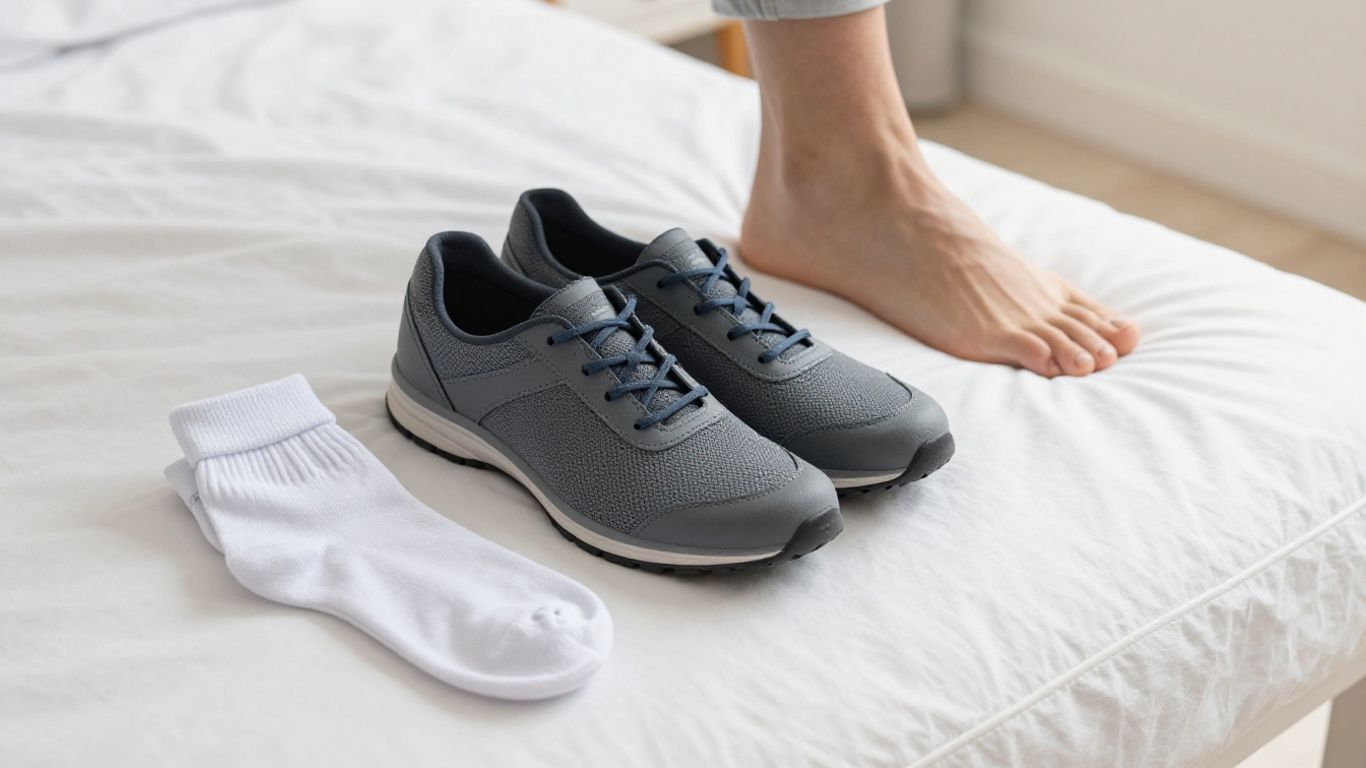
Break in new shoes gradually and check your feet afterward for hot spots, redness, or blisters. If a shoe causes repeated pressure, stop wearing it until the problem is resolved. Keeping a spare pair of socks with you can also make it easier to respond when your feet become damp during the day.
6. Protect your feet from burns, cuts, and extreme temperatures
Do not walk barefoot indoors or outdoors if you can avoid it. Floors, pavement, splinters, sharp objects, and rough surfaces can injure skin without causing immediate pain. Wear protective footwear at home, at the beach, and around pools, while checking shoes for objects before each use.
Test bath water with your hand or a thermometer rather than your feet. Keep heating pads, hot-water bottles, and electric blankets away from your feet unless a clinician has given specific instructions. Cold can also damage skin, so use warm socks and suitable footwear instead of placing your feet directly against a heater.
If you develop a cut, wash it gently, dry it, and cover it with a clean dressing if advised. Do not apply chemicals that burn or try to remove deep debris yourself. Increasing redness, warmth, swelling, drainage, odor, fever, or a wound that is not improving calls for prompt medical attention.
7. Keep blood sugar levels and circulation in check
Foot care works best alongside the wider management plan for diabetes. Follow the monitoring, medication, eating, and activity advice you have received, and discuss readings that are repeatedly outside your agreed range. Stable blood sugar can support the body’s ability to maintain skin and respond to injury, but your own care plan should guide decisions.
Circulation concerns can also affect healing. Tell your clinician about cold feet, changes in skin color, cramping with activity, swelling, or wounds that seem slow to improve. Do not start a new exercise routine or change medication to address these symptoms without professional advice.
The habits below fit together rather than standing alone:
| Daily or regular habit | Why it helps | When to discuss it |
|---|---|---|
| Monitor blood sugar as advised | Shows patterns that may affect your care plan | Readings stay outside your target range |
| Move safely and regularly | Supports general health and mobility | Activity causes unusual pain or cramping |
| Avoid smoking or seek help to stop | Supports circulation and overall health | You want a structured cessation plan |
| Keep scheduled medical reviews | Allows risks and treatment to be reassessed | Symptoms or medicines change |
Use your diabetes plan as the foundation, and bring foot changes to a clinician rather than trying to manage circulation symptoms alone. You can also read practical guidance on blood sugar management for everyday habits that may support your broader plan.
8. Schedule regular foot exams and address problems promptly
A daily check is useful, but it does not replace a professional foot exam. Your clinician can assess sensation, skin, nails, circulation, footwear concerns, and any risk factors that are difficult to evaluate at home. Ask how often you should be examined based on your health history.
Contact a healthcare professional promptly for a new wound, blister, color change, swelling, warmth, drainage, worsening pain, or a break in the skin that is not healing. If you have numbness, you may need to act on what you see even when the area does not hurt. When symptoms are severe or rapidly worsening, seek urgent care.
Apollo Clinic offers a setting where you can raise concerns and ask for explanations that are clear and practical. Bring your medication list, glucose records if relevant, and a note about when the change began. A timely assessment can help you understand the next step instead of guessing at home.
Conclusion
Diabetes Foot Care: 8 Habits for Healthy Feet begins with ordinary actions repeated consistently: look closely, wash gently, moisturize wisely, trim carefully, wear protective footwear, and keep your wider diabetes care on track. When something changes, reaching out early is one of the most valuable habits you can build.
Frequently Asked Questions
How often should you check your feet if you have diabetes?
Check both feet every day, including the soles, heels, sides, nails, and spaces between the toes. A mirror or another person can help you see areas that are difficult to inspect.
What should you look for during a foot check?
Look for cuts, blisters, cracks, redness, swelling, bruising, warmth, drainage, nail changes, and areas of rubbing or pressure. Compare both feet and pay attention to anything new.
Can you soak your feet if you have diabetes?
Long soaks are generally best avoided unless a healthcare professional recommends them. Water can dry the skin, and very hot water may cause burns when sensation is reduced.
Where should you apply moisturizer on diabetic feet?
Apply moisturizer to dry areas on the tops, bottoms, heels, and sides of your feet. Keep it out of the spaces between your toes, which should be kept clean and dry.
How should you cut toenails with diabetes?
Use clean clippers and cut straight across without going too short or digging into the corners. Ask a trained professional for help if you cannot see or reach your nails safely.
What kind of shoes are safest for diabetic feet?
Choose shoes that fit comfortably, allow your toes to move, and do not create pressure or rubbing. Inspect the inside before wearing them, and check your feet after trying new footwear.
When should you call a doctor about a foot problem?
Seek medical advice for any wound, blister, swelling, redness, warmth, drainage, color change, or area that is not improving. Get urgent help for rapidly worsening symptoms or signs of a serious infection.