

Key Takeaways
Choosing a PCR test Dubai laboratory is easier when you compare clinical standards, sample collection, reporting, and the real cost of the service rather than focusing on speed alone.
- Confirm that the laboratory is licensed and follows recognized testing procedures.
- Ask which sample type is required and where collection can take place.
- Match the promised turnaround time with your travel, work, or medical deadline.
- Check what the fee includes, especially for home visits and urgent reporting.
- Follow the laboratory’s instructions and seek medical guidance for an unexpected result.
Understand what a PCR test can detect
A polymerase chain reaction, or PCR, test looks for genetic material associated with a target infection. The test selected for you should match the reason for testing, whether that is a current symptom, a travel requirement, workplace documentation, or a clinician’s recommendation. Before booking, ask what the laboratory is testing for and whether the report will meet the purpose you have in mind.
PCR is only one part of a wider clinical assessment. Your symptoms, exposure history, examination, and medical background may also matter. If you are unsure which investigation is appropriate, a qualified healthcare professional can help you avoid paying for a test that does not answer your question.
How PCR testing identifies genetic material
During PCR testing, a laboratory processes a collected specimen and uses controlled chemical reactions to identify genetic material from the target organism. If the relevant material is detected, the result is generally reported as positive; if it is not detected in the specimen, the result may be reported as negative. The wording and interpretation can vary by test and laboratory.
The quality of the result depends on more than the machine. Collection technique, specimen condition, transport, controls, and reporting all contribute to the process. That is why a clear explanation of the test method and its limitations is more useful than a simple promise of speed.
Common PCR tests available in Dubai
COVID-19 PCR testing remains familiar to many travelers and residents, but PCR methods can be used for other infectious-disease investigations as well. Availability differs between laboratories, so you should check the exact test name, specimen required, and whether a doctor’s request is needed. For general background, you can review COVID-19 PCR testing before discussing your needs with a provider.
A laboratory may offer testing for a single target or a panel, depending on its services. Do not assume that a general PCR booking includes every possible infection. The report should identify what was tested and provide enough information for the requesting clinician or authority to use it appropriately.
When a PCR test may be recommended
A PCR test may be recommended when symptoms, exposure, public-health guidance, or a formal travel and employment requirement makes molecular testing appropriate. Your clinician may also request it when a result could help guide further care. The right timing can depend on when symptoms began or when exposure occurred.
You should explain any relevant history before collection, including recent testing and current symptoms. If your reason is administrative, bring the exact requirement rather than relying on a general online description. A health check guide can also help you think through broader screening needs, although it should not replace individualized medical advice.
PCR tests compared with rapid antigen tests
PCR tests and rapid antigen tests answer related but different questions and use different methods. PCR testing can be more sensitive in some situations, while antigen testing may be selected when a quicker preliminary answer is needed. The best option depends on the clinical context, timing, and requirements of the person or authority requesting the result.
You should not choose solely by advertised turnaround time. Ask whether the test is accepted for your purpose, how an unexpected result will be handled, and whether confirmatory testing could be recommended. A laboratory or clinician can explain the practical trade-offs in plain language.
Check the laboratory’s credentials and testing standards
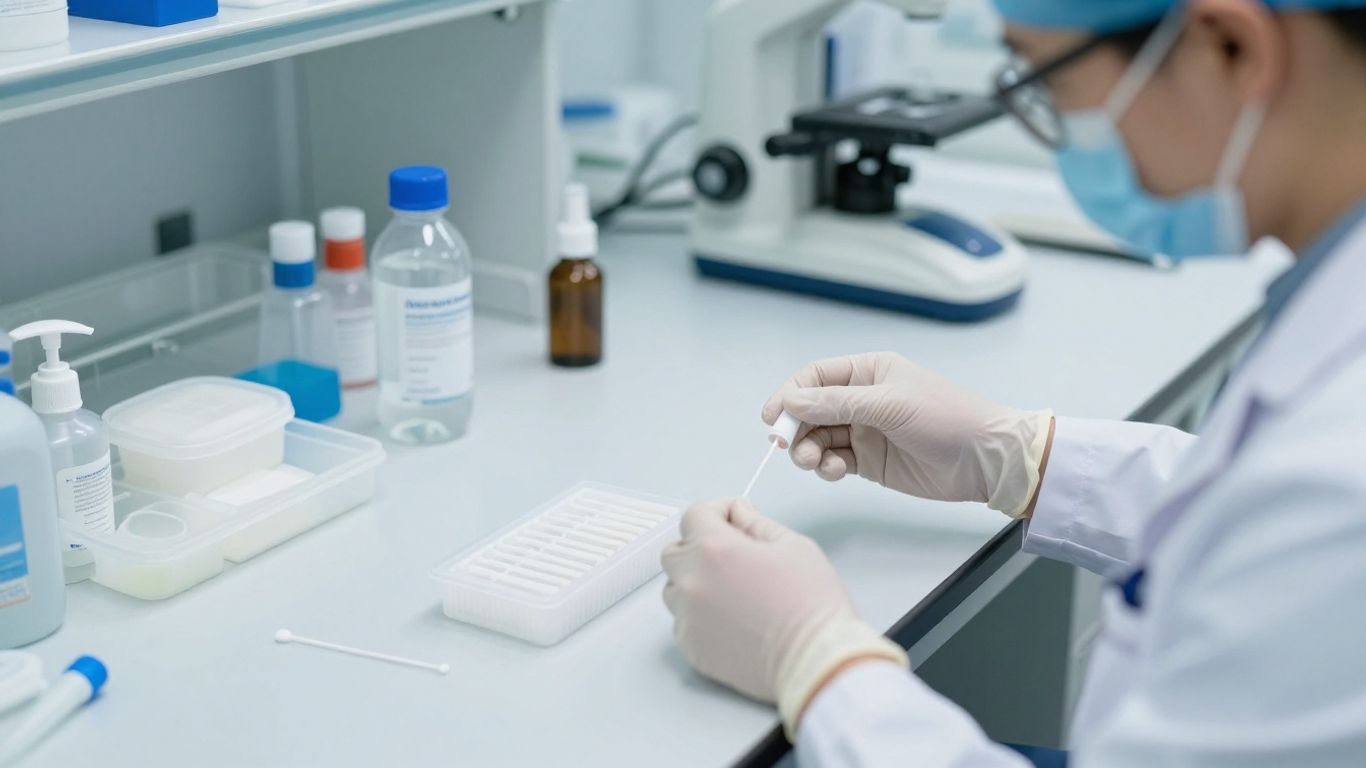
A dependable PCR test Dubai laboratory should be transparent about who oversees testing, how samples are handled, and which standards apply. You do not need to understand every technical detail, but you should be able to receive straightforward answers before paying. Licensing, staff qualifications, quality control, and privacy procedures all deserve attention.
A clean, organized setting is reassuring, but appearance alone cannot establish analytical quality. Look for consistent information across the website, booking team, consent forms, and final report. If the answers change depending on who you speak with, pause before booking.
UAE licensing and regulatory compliance
Ask whether the facility and relevant professionals are licensed by the appropriate UAE health authority for the service being offered. You can also ask whether the test is performed at the named facility or sent elsewhere. Those details help you understand who is responsible for collection, analysis, and release of the report.
Apollo Clinic provides laboratory and diagnostic services in Dubai through DHA-licensed professionals, according to its service information. If you are comparing clinics, the clinic selection guide offers a useful reminder to check licensing, qualifications, infection control, accessibility, and fees together rather than treating any single feature as proof of quality.
Qualified laboratory professionals and medical oversight
The people collecting your specimen should explain the procedure, confirm your identity, and answer reasonable questions. Laboratory staff should work within their qualifications, while medical oversight should be available when the result needs clinical interpretation or follow-up.
You can ask who will contact you if the specimen is inadequate, the result is inconclusive, or the report needs clarification. A patient-focused clinic should make that process understandable instead of leaving you to interpret unfamiliar terminology alone.
Quality control and external accreditation
Quality control is the routine checking that helps a laboratory identify problems with equipment, reagents, procedures, or reporting. External accreditation can provide additional evidence that a facility has been assessed against a recognized standard, although you should still confirm that the accreditation applies to the relevant test and location.
A standardized laboratory process typically includes collection, specimen transport, testing, review, and release of findings. Laboratory testing procedures describe this wider chain of responsibility and explain why quality control is relevant before a report reaches a patient.
Secure handling of patient samples and records
Your specimen and personal information should be handled with care from registration through disposal and reporting. Ask how results are delivered, who can access them, and whether digital reports are sent through a secure channel. Avoid sharing sensitive documents through an unverified contact.
It is also sensible to check the retention and correction process. If your name, passport number, date of birth, or collection time is wrong, you should know how to request a correction before presenting the report to an airline, employer, or authority.
Compare sample collection and testing options
Convenience matters, especially when you are unwell, traveling, caring for family members, or arranging several tests at once. Compare the collection site, sample type, appointment process, and travel time to the laboratory. A slightly longer journey may be worthwhile if the service gives you clearer instructions and dependable documentation.
Home collection can reduce travel, but it may have a separate fee and limited appointment windows. Before you choose it, confirm the collection area, identity checks, expected arrival time, and how the sample will reach the testing facility.
Nasal, throat, saliva, and other sample types
The required sample depends on the test and its validated procedure. Nasal or throat collection may involve a swab, while some investigations use saliva or another specimen. You should not substitute one sample type for another without confirmation from the laboratory.
Ask whether you need to avoid eating, drinking, smoking, brushing your teeth, or using certain products before collection. The correct preparation can vary, so follow the instructions for your specific test rather than general advice found online.
Testing at a laboratory, clinic, or home
You may be able to provide a sample at a dedicated laboratory, a clinic, or your home, depending on the provider and test. In a clinic, collection and registration happen in one location; at home, a trained professional visits you and the specimen must then be transported under the required conditions.
Apollo Clinic UAE lists home sample collection among its laboratory and diagnostic services, with reports available through digital or printed delivery options. When comparing home services, confirm whether the quoted price includes both the visit and the laboratory analysis.
Same-day and scheduled appointment availability
Same-day appointments can be useful, but availability does not always mean same-day reporting. Ask two separate questions: when can the specimen be collected, and when will the verified result be released? Also check the cutoff time, weekend schedule, and procedure if you arrive late.
For a scheduled appointment, leave enough time for traffic and registration. A clear booking confirmation should state the location, collection time, test name, identification requirements, and contact method for changes.
Accessibility for travelers and corporate groups
Travelers may need a convenient location, passport details on the report, and a certificate accepted by a particular destination or airline. Corporate groups may need coordinated appointments, consolidated communication, or home and office collection. Discuss these requirements before the first specimen is taken.
When several people are booking together, ask whether each report is issued separately and how corrections are managed. Convenience should not come at the expense of accurate identity matching. Even practical planning habits seen in corporate service arrangements can be useful here: confirm scope, timing, and responsibilities in writing.
Evaluate turnaround times and result documentation
Turnaround time is measured from a defined point, but providers do not always define that point in the same way. It may begin at collection, laboratory receipt, or registration in the system. A trustworthy booking team should explain the timing clearly and tell you what could cause a delay.
Your report also needs to be usable. A result that arrives quickly but lacks your identification details, collection time, test name, or laboratory information may not satisfy the person requesting it. Plan for review and correction time when your deadline is strict.
What affects PCR test processing times
Processing time can be affected by the collection schedule, transport from a clinic or home, specimen adequacy, laboratory workload, quality checks, and the need for additional review. Public holidays and late-evening collections may also change the expected release window.
Before booking, ask whether the stated time is a guarantee or an estimate. If the specimen cannot be processed, ask whether recollection is included and whether the provider will contact you promptly.
Standard, urgent, and express testing services
Standard testing is usually appropriate when you have reasonable flexibility. Urgent or express options may be available at an additional cost, but the exact cutoff and release commitment should be written down. Do not assume that paying more eliminates every possible delay.
A useful comparison keeps the test itself separate from the speed of processing. You can use this simple framework when speaking with a booking team:
| Question | Why it matters | What to confirm |
|---|---|---|
| When is collection available? | It sets the earliest starting point. | Appointment slot and cutoff time |
| When does the turnaround clock begin? | It prevents misunderstandings. | Collection, receipt, or registration |
| What happens if the sample is inadequate? | Recollection may affect your deadline. | Notification and additional cost |
| Is express reporting guaranteed? | Marketing language can be unclear. | Written commitment and exceptions |
This comparison helps you choose a service based on your actual deadline rather than a headline promise. Keep the confirmation message until the report has been received and checked.
Digital reports and printed certificates
Ask whether the report is delivered by email, secure portal, messaging service, printed copy, or more than one method. Check that the document includes the details your recipient expects and that the file can be opened on your phone or computer.
If you need a printed certificate, request it at booking rather than after the result is released. You can also ask whether a digital signature, laboratory stamp, QR code, or issuing-clinic information is required for your use.
Requirements for airlines, employers, and authorities
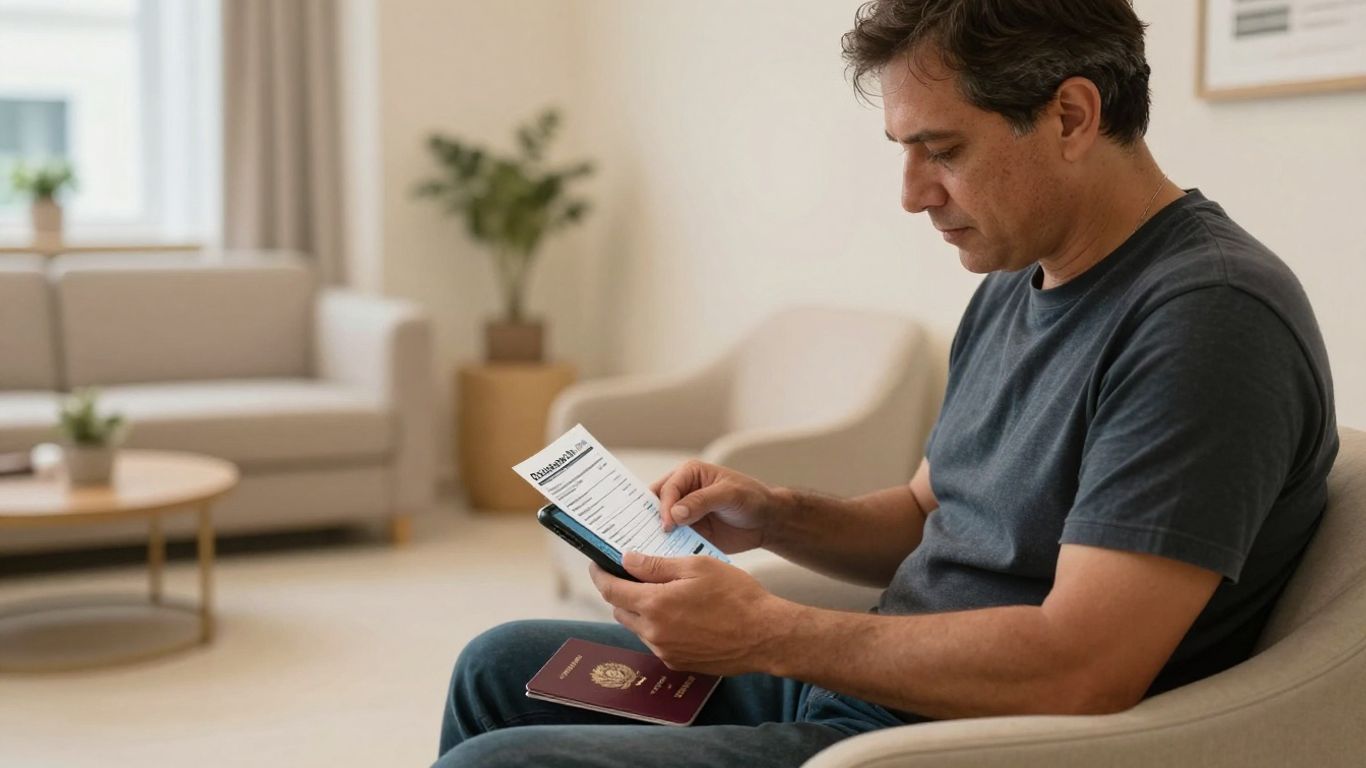
Requirements can differ by destination, employer, government department, or travel date. Confirm the accepted test type, timing window, language, identification details, and certificate format directly with the requesting organization. A laboratory may provide the result, but it cannot decide what an airline or authority will accept.
If you are traveling, allow time to correct a spelling error or request a replacement document. For broader travel planning, airport PCR testing information illustrates why collection location, operating hours, reporting connections, and passenger timelines can all matter.
Review pricing, inclusions, and booking policies
The lowest advertised price is not always the lowest total cost. Compare the test, collection method, report format, turnaround, taxes, home visit, and any urgent service charge as one package. Ask for the final amount before confirming your appointment.
A transparent provider should explain cancellation, rescheduling, refund, and recollection policies without making you search through fine print. This is especially useful when your travel date or work schedule may change.
What a PCR test fee typically covers
A PCR test fee may cover registration, specimen collection, laboratory processing, result review, and a standard report. The exact inclusions vary, so ask whether the quoted amount is for one person and one specimen. You should also confirm whether a consultation is included or billed separately.
For comparison, a clinic’s wider laboratory services in Dubai may include several diagnostic categories and home collection options. That does not mean every listed service is part of a PCR fee, so always request a test-specific quotation.
Additional charges for home collection or express results
Home collection and accelerated reporting often change the price. Other possible additions include travel outside the normal service area, after-hours appointments, printed certificates, or repeat collection after an inadequate specimen. These charges should be explained before payment.
Ask whether an urgent fee applies to collection, testing, or only report delivery. A short written breakdown can prevent an uncomfortable surprise when the result is ready.
Insurance, payment methods, and refunds
PCR testing may be paid privately or covered only in specific circumstances under an insurance plan. Check eligibility with your insurer and the clinic before assuming reimbursement. Ask for an invoice, receipt, and any documentation needed for a claim.
You should also know which payment methods are accepted and when a refund is possible. If you cancel because of a changed travel plan, the policy may differ from cancellation because the specimen has already been collected.
Questions to ask before booking
A short call can clarify most practical concerns. Prepare your questions in advance so you do not forget an important detail while arranging the appointment:
- Which PCR test and sample type are appropriate for my purpose?
- Is the collection at a laboratory, clinic, home, office, or hotel?
- When will the result be released, and what happens if it is delayed?
- Does the report include the identification and certificate details I need?
- What is the total price, including collection, express service, taxes, and printing?
The answers should be specific enough for you to compare providers fairly. If a representative cannot explain the basics, treat that uncertainty as part of the decision rather than ignoring it.
Prepare for your PCR test in Dubai
Good preparation reduces avoidable delays and makes the appointment less stressful. Confirm the test, timing, collection location, identification requirements, and result delivery method before you leave home. If you have symptoms or medical concerns, tell the healthcare professional rather than trying to manage the situation around the test.
You can also arrange support if you are testing a child, an older relative, or several employees. A calm explanation of what will happen often makes collection easier for everyone.
How to schedule the right test
Start with the reason for testing and the deadline for using the result. Tell the booking team whether the request comes from a clinician, employer, airline, school, or government authority. Share the exact wording of the requirement if possible, because “PCR test” alone may not provide enough detail.
Apollo Clinic UAE offers laboratory and diagnostic services, and its broader healthcare setting may be useful when you need guidance about which service fits your situation. If your concern is more general, medical consultation guidance can help you prepare questions about appointment type, timing, and follow-up.
Instructions before sample collection
Follow the provider’s preparation instructions exactly. Depending on the sample type, you may be asked to avoid food, drink, smoking, mouthwash, or other products for a period before collection. Do not apply instructions for a different test without checking first.
If you have recently taken another test, used medication, or developed new symptoms, mention it at collection. These details may help the clinician or laboratory interpret what should happen next.
What to bring to the appointment
Bring the identification document used for booking, your confirmation message, payment method, and any written travel or employer requirement. If you need a certificate, carry the correct spelling of your name and the document details that must appear on it.
Arrive early enough to complete registration without rushing. Check the report before leaving or as soon as it arrives, paying attention to your name, date of birth, passport number, specimen date, test name, and result.
What to do if the result is positive or inconclusive
A positive result should be handled according to current medical and public-health guidance, as well as the advice of your healthcare professional. Avoid exposing others while you seek appropriate guidance, especially if you have symptoms. An inconclusive result may require recollection or another test, so ask the laboratory what the next step is and how quickly it can be arranged.
Do not alter travel or treatment plans based only on a result you do not understand. Request an explanation, keep the original report, and seek urgent medical help if you have severe symptoms such as difficulty breathing, chest pain, confusion, or a rapidly worsening condition.
Conclusion
Choosing a PCR test Dubai laboratory comes down to matching a suitable test with sound collection practices, clear reporting, transparent pricing, and support you can reach when questions arise. Take a few minutes to verify the details before booking, and you will be better prepared for a reliable result and a smoother experience.
Frequently Asked Questions
How do I choose a PCR test Dubai laboratory?
Compare licensing, qualified staff, sample collection options, quality procedures, turnaround definitions, report format, total price, and after-result support. Choose the provider that answers these points clearly for your specific purpose.
How long does a PCR test usually take?
The time varies by laboratory workload, collection method, transport, specimen quality, and service level. Ask when the turnaround clock starts and whether the stated time is an estimate or a firm commitment.
Can I arrange PCR sample collection at home?
Some providers offer home collection for selected tests and locations. Confirm availability, identity checks, collection timing, transport arrangements, and the additional charge before booking.
What identification should appear on a PCR report?
The exact requirement depends on the requesting organization. Common details may include your full name, date of birth, passport or identification number, specimen date, test name, and laboratory information.
Is a PCR test more accurate than a rapid antigen test?
The tests use different methods and have different performance characteristics. The appropriate choice depends on timing, symptoms, clinical advice, and the requirement set by an airline, employer, or authority.
What should I do if my PCR result is inconclusive?
Contact the laboratory promptly and ask whether recollection or repeat testing is needed. Follow medical advice, especially if you have symptoms or a known exposure, and do not assume that an inconclusive result is equivalent to a negative one.
Can insurance cover a PCR test?
Coverage depends on your policy and the reason for testing. Check with your insurer and the provider before the appointment, and request an itemized invoice if you plan to submit a claim.