
Key Takeaways
Stroke is far more common in the UAE than most people realise, and women face risk factors — pregnancy, preeclampsia, hormone therapy, and certain contraceptives — that men do not. Women also more often experience symptoms that are easy to mistake for something else, which can delay the emergency care that determines how much of the brain is saved.
· The UAE has one of the highest stroke incidence rates in the Gulf, with an estimated 8,000 to 10,000 people affected every year — roughly one person every hour.
· Stroke is the second leading cause of disability in the UAE, after road traffic accidents, and a leading cause of death worldwide.
· Women can experience less “classic” symptoms — sudden severe headache, nausea, hiccups, confusion, or fainting — which are more easily mistaken for other conditions.
· Pregnancy, preeclampsia, hormone replacement therapy, and oral contraceptives (especially combined with smoking or migraine with aura) all raise stroke risk specifically in women.
· Acting within minutes matters: clot-dissolving treatment is generally most effective within 4.5 hours of symptom onset, and some procedures can help up to 24 hours in select cases — but only if you call for emergency help immediately.
· In the UAE, dial 998 for an ambulance, or 999 for police, the moment stroke symptoms appear. Do not drive the person yourself if an ambulance is available.
What Happens During a Stroke
A stroke occurs when blood flow to part of the brain is disrupted, either by a blockage in an artery or by bleeding from a burst blood vessel. Without oxygen and nutrients, brain cells begin to die within minutes, which is why stroke is treated as a medical emergency where every minute affects the outcome. Globally, stroke is one of the leading causes of death and the leading cause of long-term adult disability.
Types of Stroke
· Ischemic stroke: The most common type, accounting for roughly 87% of cases, caused by a blood clot blocking an artery supplying the brain.
· Hemorrhagic stroke: Caused by bleeding into or around the brain from a ruptured blood vessel; generally more severe.
· Transient ischemic attack (TIA): Often called a “mini-stroke,” caused by a temporary blockage that resolves, usually within 24 hours. It is a warning sign and needs urgent medical assessment, since it significantly raises the risk of a full stroke soon after.
Why Stroke Deserves Attention in the UAE
Stroke is not a distant statistic in the UAE — it is a significant and growing health concern, driven by the same risk factors, such as diabetes, hypertension, and obesity, that are already prominent across the country.
· Highest stroke incidence in the GCC: Global Burden of Disease data placed the UAE’s stroke incidence rate at roughly 106 per 100,000 people in 2021, among the highest in the Gulf Cooperation Council.
· One stroke every hour: An estimated 8,000 to 10,000 people in the UAE experience a stroke each year — approximately one person every hour.
· Second leading cause of disability: After road traffic accidents, stroke is the leading cause of adult disability in the country.
· A particular concern for women: Cardiovascular disease, which shares many of the same risk factors as stroke, was reported as the leading cause of death among women in the UAE, and hypertension and obesity are more prevalent in women than men across the Middle East.
Recognising Stroke Symptoms
Some stroke symptoms are well known and appear in both men and women. Others are more common in women and are more easily mistaken for something else, which is one reason women can experience delays in getting treated.
Common Symptoms (Both Men and Women)
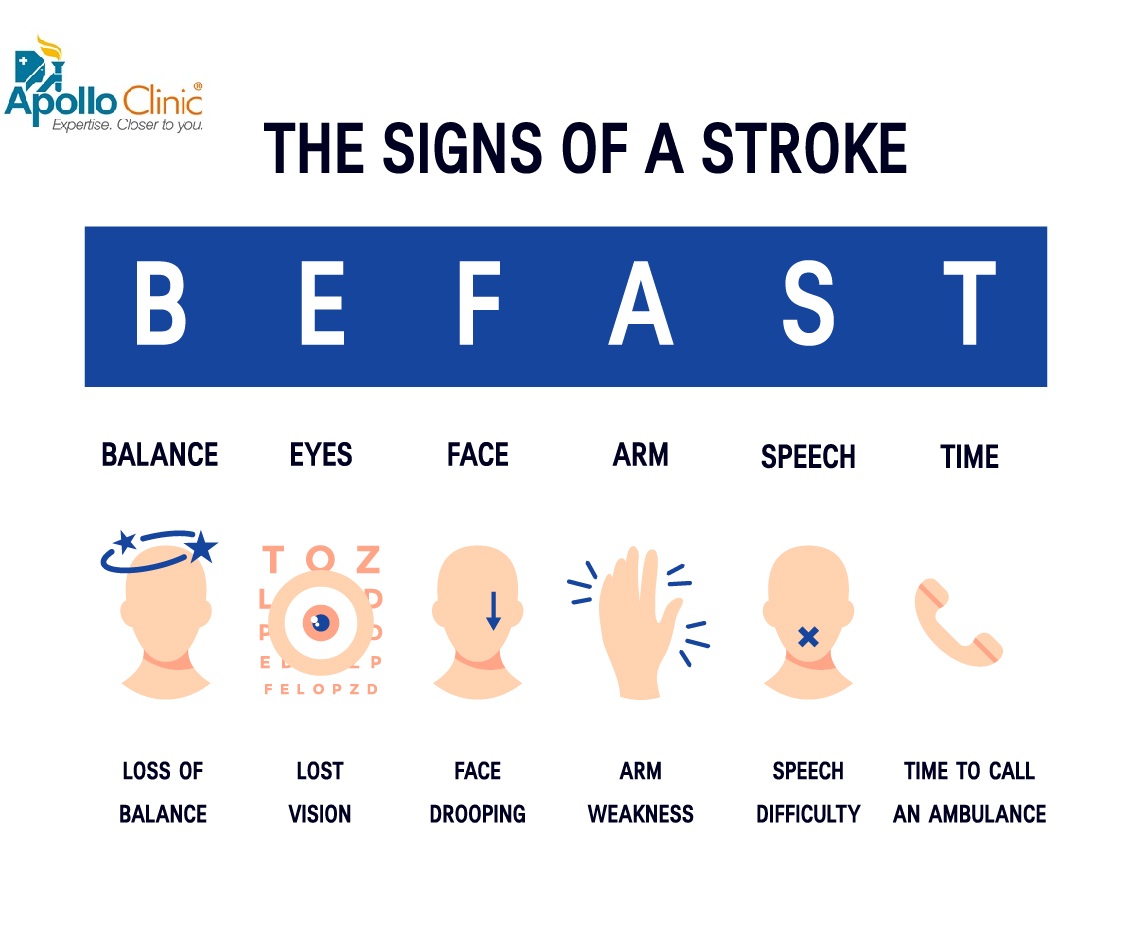
· Face drooping on one side
· Numbness or weakness on one side of the body
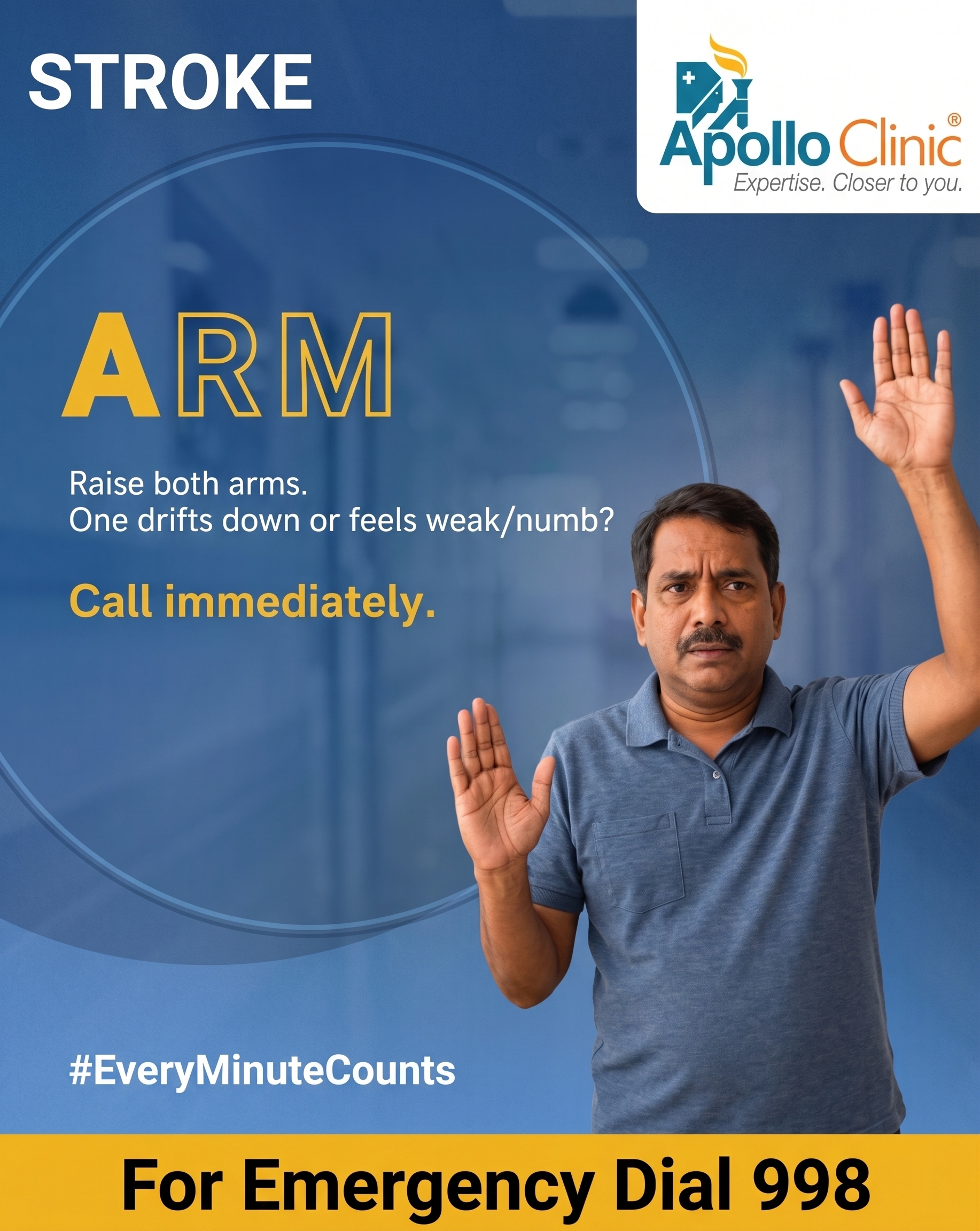
· Arm weakness or difficulty raising one arm
· Difficulty speaking or slurred speech
· Sudden vision disturbance
· Sudden loss of balance or coordination
· Collapsing or loss of consciousness
Symptoms More Often Reported by Women
Women more frequently report symptoms that are not the “textbook” stroke presentation, including sudden and severe headache, seizures, nausea or vomiting, hiccups, fainting, general weakness, and shortness of breath. Because these overlap with many less serious conditions, they can delay recognition of a stroke — which is exactly why any sudden, unexplained combination of these symptoms deserves urgent medical attention rather than a wait-and-see approach.
What to Do in a Stroke Emergency
Stroke treatment is extremely time-sensitive. Clot-dissolving medication is generally most effective when given within 4.5 hours of symptoms starting, and in select cases, a procedure to physically remove the clot can help up to 24 hours after onset — but only if the person reaches a hospital capable of stroke care in time. This is why recognising symptoms and calling for help immediately, rather than waiting to see if they pass, is the single most important action you can take.
Use the FAST Test
· F — Face: Ask the person to smile. Does one side of the face droop?
· A — Arms: Ask them to raise both arms. Does one arm drift downward or feel weak?
· S — Speech: Ask them to repeat a simple sentence. Is their speech slurred or strange?
· T — Time: If you see any of these signs, call for emergency help immediately — note the time symptoms started, as this affects treatment options.
Remember that women may show a different pattern — sudden severe headache, confusion, fainting, or nausea without any of the classic FAST signs. If something suddenly seems very wrong and you cannot explain it, treat it as an emergency.
Emergency Numbers in the UAE
| Situation | Number |
| Ambulance | 998 |
| Police | 999 |
| Civil Defence (Fire) | 997 |
Call 998 for an ambulance the moment you notice stroke symptoms, in yourself or someone else. Do not wait to see if symptoms improve, and where possible, do not drive the person to hospital yourself — paramedics can begin assessment and notify the receiving hospital’s stroke team before arrival, which saves valuable time.
While Waiting for the Ambulance
· Stay calm and keep the person still, ideally lying down with their head slightly raised.
· Note the exact time symptoms started — this is one of the first questions the medical team will ask.
· Do not give the person food, drink, or medication, including aspirin, since the correct treatment depends on the type of stroke.
· If they are unconscious but breathing, place them in the recovery position on their side.
· If they stop breathing or have no pulse, begin CPR if you are trained to do so, and follow the emergency operator’s instructions.
What Makes Women More Prone to Certain Stroke Risks
Several stroke risk factors are specific to women, tied to pregnancy, hormones, and reproductive health, and are worth understanding on their own terms.
· Pregnancy: Stroke risk rises during pregnancy, particularly in the third trimester and the weeks after delivery, largely driven by pregnancy-related high blood pressure. Regular blood pressure monitoring throughout pregnancy is essential.
· Preeclampsia: A pregnancy complication involving high blood pressure, preeclampsia roughly doubles the risk of stroke both during pregnancy and later in life, making it important to manage and to mention in future medical visits even after the pregnancy ends.
· Hormone replacement therapy: Used by some women to manage menopause symptoms, this can raise stroke risk in some individuals; the decision to use it should weigh personal risk factors with a doctor.
· Birth control pills: Modern oral contraceptives are considerably safer than older formulations, but women with high blood pressure, migraine with aura, or who smoke should discuss the risks with their doctor before starting them.
· Atrial fibrillation: This irregular heart rhythm allows blood to pool and clot, and it is a significant stroke risk factor in women over 75 in particular.
· Migraine with aura: Migraine with visual or sensory aura is linked to a higher risk of ischemic stroke, especially in younger women who smoke or use combined oral contraceptives — a combination worth flagging to a doctor.
Reducing Stroke Risk
Most strokes are linked to manageable risk factors, which means prevention genuinely matters.
· Monitor and control blood pressure, especially during and after pregnancy
· Manage cholesterol through diet, exercise, and medication where needed
· Discuss oral contraceptives and hormone therapy with a doctor if you have other risk factors
· Avoid smoking, particularly if you have migraine with aura or use hormonal contraception
· Limit alcohol consumption
· Manage diabetes and maintain a healthy weight
· Stay physically active and follow a heart-healthy diet
· Have regular checks of blood pressure, cholesterol, and blood sugar
Conclusion
Stroke is common in the UAE, and women face risk factors and symptom patterns that differ from men in ways that can delay recognition and treatment. Knowing the FAST signs, knowing that women may present differently, and knowing to call 998 immediately rather than waiting can make the difference between a full recovery and lasting disability. Alongside emergency preparedness, managing blood pressure, cholesterol, and other risk factors — and discussing pregnancy, contraception, or hormone therapy with a doctor if relevant — remains the most effective way to reduce the risk in the first place.
Frequently Asked Questions
Why do women sometimes have different stroke symptoms than men?
The exact reasons are not fully understood, but women more often report symptoms such as sudden headache, nausea, hiccups, fainting, or confusion, rather than the more widely known signs like face drooping or arm weakness. This can make stroke harder to recognise quickly in women.
What should I do if I think someone is having a stroke?
Use the FAST test (Face, Arms, Speech, Time), note when symptoms started, and call 998 for an ambulance immediately. Do not wait to see if symptoms pass, and avoid driving the person to hospital yourself if an ambulance is available.
How common is stroke in the UAE?
The UAE has one of the highest stroke incidence rates in the Gulf region, with an estimated 8,000 to 10,000 people affected each year — roughly one person every hour. It is the second leading cause of adult disability in the country, after road traffic accidents.
Does pregnancy really increase stroke risk?
Yes. Stroke risk rises during pregnancy, particularly in the third trimester and shortly after delivery, largely due to pregnancy-related high blood pressure. Preeclampsia specifically roughly doubles stroke risk, both during pregnancy and later in life.
Are birth control pills safe if I get migraines?
This depends on the type of migraine and other risk factors. Migraine with aura, particularly combined with smoking or oral contraceptive use, raises the risk of ischemic stroke, and this combination should be discussed with a doctor before starting or continuing contraception.
How much time do I have to get treatment for a stroke?
Clot-dissolving medication is generally most effective within 4.5 hours of symptoms starting, and certain procedures to remove a clot can help up to 24 hours in select cases. Outcomes are strongly tied to how quickly treatment begins, so call for emergency help immediately rather than waiting.
Medical Disclaimer
This article is intended for general information only and does not replace professional medical advice, diagnosis, or treatment. If you or someone near you shows signs of a stroke, call 998 for emergency