
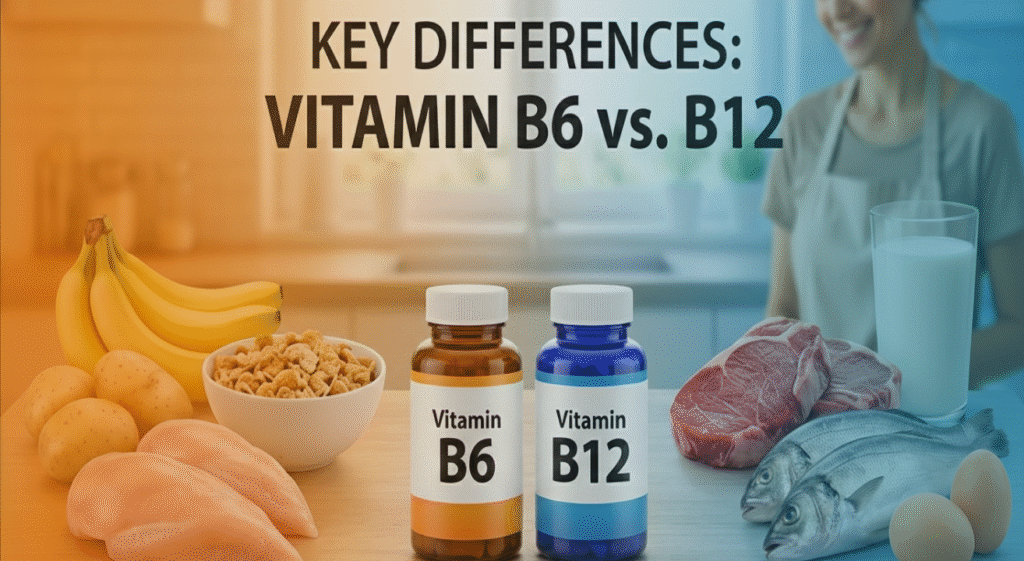
Vitamins are very essential in ensuring that the body runs smoothly and in Apollo Multi Specialty Clinic, UAE patients frequently visit our clinic confused over the distinction between Vitamin B6 and B12. They are both of the B-complex family, but the benefits they fulfill, and the foods where they are found vary considerably. Learning the benefits of each vitamin in maintaining your health will guide you to make informed judgments concerning nutrition, supplementation, and well-being in the long run.
Why Vitamin B6 and B12 Matter
Despite the fact that the two nutrients are vital, Vitamin B6 (pyridoxine) and Vitamin B12 (cobalamin) aid in various functions within the body. Vitamin B6 is used to keep the brain healthy, metabolic rate, and aid in the formation of neurotransmitters. Vitamin B12, conversely, plays a significant part in nerve irritation, erythrocyte generation, and DNA synthesis.
These vitamins are water-soluble implying that the body does not store these vitamins. Surplus is lost in the urine and it is important to take on a regular basis either in food or supplements.
Key Differences Between Vitamin B6 and B12
1. Functions of Vitamin B6
Vitamin B6 is deeply involved in multiple biochemical functions:
- Metabolism: Helps convert proteins, fats, and carbohydrates into energy.
- Neurotransmitter Production: Supports the creation of serotonin, dopamine, and GABA—chemicals that regulate mood, sleep, and cognitive function.
- Haemoglobin Formation: Supports the production of haemoglobin, which carries oxygen throughout the body.
- Other Benefits: Helps regulate hormones, strengthens immunity, reduces inflammation, and supports healthy skin.
2. Functions of Vitamin B12
Vitamin B12 has its own distinct set of responsibilities:
- DNA Synthesis: Required for healthy cell development and repair.
- Nervous System Health: Maintains the myelin sheath that protects nerve fibres.
- Red Blood Cell Production: Prevents anaemia by supporting the production of healthy red blood cells.
- Other Benefits: Contributes to energy levels, brain function, hair and skin health, and bone strength.
Food Sources of Vitamin B6 and B12
Both vitamins come from different food sources:
Vitamin B6 is found in:
- Fish
- Poultry
- Eggs
- Nuts
- Non-citrus fruits
- Whole grains
Vitamin B12 is found mainly in:
- Meat
- Fish
- Dairy
- Eggs
- Fortified cereals
Since Vitamin B12 is found mostly in animal foods, strict vegetarians and vegans might have difficulties with satisfying their daily needs without fortified foods or supplements.
Daily Recommended Intake
Vitamin B6 – RDA
- Adults (19–50 years): 1.3 mg
- Men (51+): 1.7 mg
- Women (51+): 1.5 mg
- Pregnant women: 1.9 mg
- Breastfeeding women: 2.0 mg
Vitamin B12 – RDA
- Individuals 14+: 2.4 mcg
- Pregnant women: 2.6 mcg
- Breastfeeding women: 2.8 mcg
Supplements of B12 might be necessary in the older adult (above 50) population as the body cannot absorb it as effectively as before.
Special Considerations
- The people who are having problems with absorption of Vitamin B12 can be people who have a problem with digestion or those who have been subjected to stomach surgery.
- Vegans and vegetarians ought to use fortified food or supplements.
- Excessive Vitamin B 6 (more than 200 mg daily) can lead to nerve damage.
- The toxicity of vitamin B12 is not very high, and excessive supplementation is not needed, except in cases of prescriptions.
Conclusion
B12 and B6 are vital toward an overall wellness and knowing their peculiar roles can keep you on track to take the necessary amount of them in a well-balanced diet or through supplements when necessary. Being aware of the distinction between the two essential nutrients, you will be able to make more intelligent life decisions regarding long-term health. At Apollo Multi Speciality Clinic in UAE, we help you in achieving a better health by enabling you to know how essential nutrients would play a role in helping your body stay healthy.
FAQ
1. What is the main difference between Vitamin B6 and B12?
Vitamin B6 helps in maintaining metabolism and the brain whereas Vitamin B12 is critical in the health of nerves and also in the formation of red blood cells.
2. Can I take Vitamin B6 and B12 together?
Yes. The two vitamins complement each other since they belong to the B-complex and facilitate various vital processes.
3. What happens if my body lacks Vitamin B12?
The lack of it can lead to fatigue, nerve damage, memory loss, and anaemia.
4. Do vegetarians need a Vitamin B12 supplement?
B12 is mostly present in the animal products, so vegetarians and vegans have to use fortified foods or supplements.
5. Can excess Vitamin B6 be harmful?
High levels of Vitamin B6 can cause nerve damage and thus a supplement should be taken under medical advice.