
Key Takeaways
A root canal can treat infection or damage inside a tooth while giving you a chance to keep it. Your dentist can explain what the procedure, fee, and follow-up care may involve for your particular tooth.
- Persistent tooth pain, temperature sensitivity, swelling, or a change in tooth colour may need a dental assessment.
- Root canal treatment usually involves numbing the area, cleaning the canals, and sealing the tooth.
- Local anesthesia is used to manage discomfort during treatment; soreness afterward can occur.
- Costs depend on factors such as tooth location, complexity, and whether a crown is needed.
- Ask for an itemized estimate and clear aftercare instructions before treatment begins.
When a root canal may be needed
A root canal may be considered when the tissue inside a tooth is inflamed or infected, often after deep decay, a crack, or an injury. Symptoms can make you suspect a problem, but they do not confirm what is happening inside the tooth. An examination helps your dentist decide whether root canal treatment or another option is appropriate.
Symptoms that can signal an infected or damaged tooth
You may notice lingering sensitivity to hot or cold, pain when biting, or discomfort that comes and goes. Swelling or tenderness near a tooth can also be a reason to seek care, as can a tooth that looks darker than before. These signs have more than one possible cause, so an assessment is more useful than trying to diagnose the problem from symptoms alone. If sensitivity is your main concern, this guide to sensitive teeth offers related background.
How dentists diagnose the problem
Your dentist will ask about your symptoms and examine the tooth and surrounding tissues. They may also use dental imaging and simple tests to assess the tooth, depending on what they find. The aim is to understand the condition of the tooth before recommending treatment; what an endodontist does can help you understand when a root canal specialist may be involved.
Why treatment may be recommended before severe pain develops
Not every damaged or infected tooth causes intense pain. A dentist may find signs of a problem during an examination even when your symptoms are mild or intermittent. Treating the cause before it worsens may help preserve the tooth, but your dentist should explain the findings and options so you can make an informed decision.
What happens during root canal treatment
Root canal treatment focuses on the soft tissue inside the tooth and the narrow canals within its roots. The exact steps and timing depend on the tooth and the condition being treated. Your dentist should walk you through the plan before starting, including what restoration may be needed afterward.

Numbing the tooth and keeping it isolated
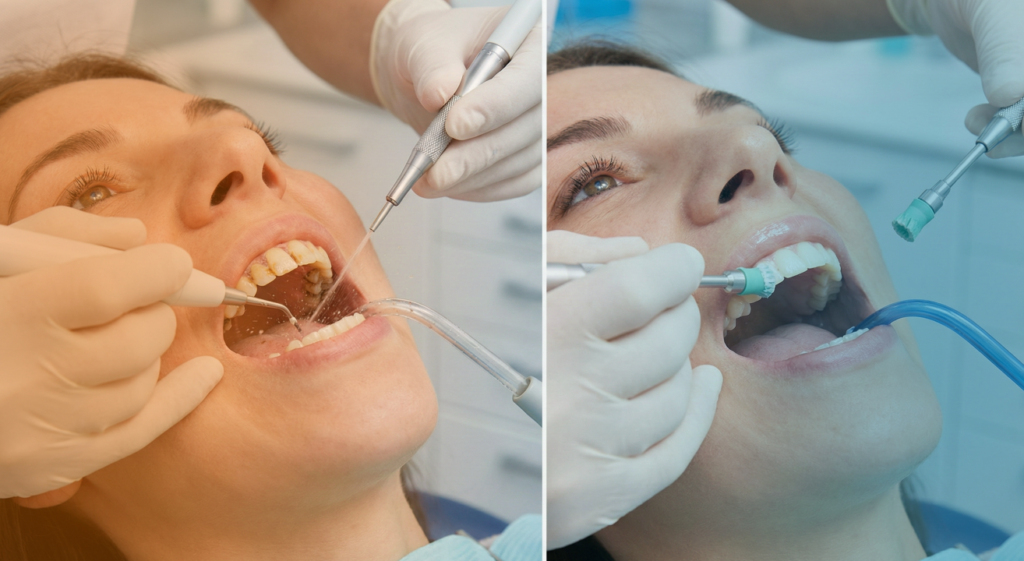
The dentist uses local anesthesia to numb the area around the tooth. A dental isolation method may be used to keep the tooth clean and dry while work is underway. If you are unsure what to expect, ask your dentist to explain the steps and how you can signal that you need a pause.
Removing infected tissue and cleaning the canals
The dentist makes an opening in the tooth to reach the inner tissue and canals. They remove the affected tissue, then clean and shape the canals in preparation for sealing. A general guide to root canal treatment describes these common stages, though your own treatment plan may differ.
Filling and sealing the tooth
Once the canals have been cleaned, the dentist fills and seals them to close off the space inside the tooth. The tooth is then restored so it can function in your mouth. Your dentist can explain whether the restoration will be temporary at first or completed during the same course of care.
Why a crown may be needed afterward
A crown may be recommended to restore and protect a tooth after root canal treatment, depending on its condition and how much tooth structure remains. This is not automatically included in every treatment plan or estimate. Ask what restoration your dentist recommends and when it should be completed, especially if you will have a temporary filling in the meantime.
Pain and comfort during treatment
The idea of a root canal can sound daunting, particularly if you are already dealing with tooth pain. Treatment is performed with local anesthesia, and your dentist can pause to address discomfort during the appointment. People’s experiences vary, so it is useful to discuss your concerns before treatment rather than waiting until you are in the chair.
What the procedure typically feels like
With the area numb, you may feel pressure or movement, but you should tell the dentist if you feel sharp pain. The appointment can involve periods of waiting as well as the treatment itself. A root canal treatment overview discusses local anesthesia and comfort, but your own experience will depend on the tooth and your response to treatment.
How local anesthesia helps manage discomfort
Local anesthesia reduces sensation in the treatment area while the dentist works. It does not mean that every sensation disappears, and you may still notice pressure or vibration. If you are anxious about injections or dental treatment, tell your dentist in advance so you can talk through what may help you feel more at ease.
What to do if you feel pain during the appointment
Let your dentist know immediately if you feel pain; you do not need to wait for the appointment to end. You can agree on a simple hand signal beforehand, so it is easy to ask for a pause while the dentist is working. The dentist can then check the area and decide whether more anesthesia or another adjustment is needed.
Common soreness after treatment and when to seek help
Some tenderness around the tooth can occur after treatment, especially when you bite, and it may settle as the area recovers. Follow the instructions your dentist gives you, and contact the clinic if pain is severe, worsening, or not improving as expected. Swelling or other new concerns are also reasons to ask for follow-up advice rather than trying to judge the cause yourself.
Root canal cost in Dubai
There is no single price that applies to every root canal in Dubai. The amount depends on the tooth, the treatment needed, and what is included in the estimate. Before you agree to treatment, ask for a written breakdown so you can distinguish the root canal fee from any imaging, restoration, or follow-up charges.

Factors that can affect the price
A quote may reflect the examination, imaging, the tooth being treated, and the complexity of cleaning and sealing its canals. Any temporary or final restoration can also affect the total. These are useful items to check side by side when comparing estimates:
| Estimate item | What to clarify | Why it matters |
|---|---|---|
| Examination and imaging | Whether these are included | They may be billed separately |
| Root canal treatment | Which tooth and procedure the fee covers | The treatment plan depends on the tooth |
| Temporary restoration | Whether one is planned and included | It may be needed before final restoration |
| Crown or other restoration | Whether this is included or quoted separately | The final total may be higher |
An estimate is easiest to understand when the clinic explains each line in plain language. Ask whether the quoted amount is for the root canal alone or for the full course of care.
How tooth location and complexity influence the fee
The tooth being treated can affect the work involved, and some cases may be more complex than others. A dentist can explain how the location and condition of your tooth affect the proposed treatment and fee. If the situation is difficult to assess or treat, you can ask whether a specialist opinion would be useful.
Whether a crown is included in the quoted cost
A root canal and the restoration placed afterward may appear as separate items on an estimate. Ask whether a crown is recommended, whether it is included, and whether a temporary restoration is planned first. Apollo Clinic UAE lists root canals and crowns among its dental treatments; you can use an itemized estimate to confirm what any proposed plan includes.
Questions to ask about insurance and payment
Before booking, check with your insurer about coverage, approval requirements, and any limits that apply to root canal treatment or a crown. The clinic can explain its estimate and payment arrangements, while your insurer can confirm your benefits. It is reasonable to ask these questions before you commit:
- Is the examination or imaging included in the quoted fee?
- Is the crown included, or will it be priced separately?
- Does my insurance require pre-approval or specific documentation?
- What follow-up visits or additional costs should I plan for?
These answers help you compare the full expected cost rather than focusing only on the initial figure. Keep the written estimate so you can refer to it if your plan changes.
Recovery and aftercare
Recovery varies with the tooth and the treatment performed. You may have some tenderness, and the tooth may need a final restoration after the root canal. Follow the instructions you receive and contact your dentist if something seems different from what you were told to expect.
What to expect in the first few days
The treated area may feel tender for a short time, particularly when you chew. Take it easy with that side of your mouth until your dentist says it is ready for normal use. If discomfort is increasing rather than settling, check in with the clinic for advice.
Eating, brushing, and protecting the treated tooth
Until numbness wears off, be careful when eating so you do not bite your cheek or tongue. Your dentist may advise you to avoid chewing hard or sticky foods on the treated tooth, especially if it has a temporary restoration. Continue brushing and cleaning between your teeth gently, unless your dentist gives you different instructions.
Using prescribed or recommended pain relief
Use pain relief only as directed by your dentist or in accordance with the medicine label and your own medical advice. If a medication was prescribed, follow the instructions and ask the clinic or pharmacist if anything is unclear. Let your dentist know about allergies, other medicines, or health conditions that may affect what is suitable for you.
Signs that require follow-up with your dentist
Contact your dentist if you develop increasing pain, swelling, a damaged temporary filling, or symptoms that concern you. A bite that feels uneven or discomfort that does not improve as expected can also warrant a check. Your dentist can tell you whether you need an appointment and when to seek urgent care.
Choosing a provider and planning treatment
A clear plan should tell you what the diagnosis is, why the treatment is recommended, and what happens after the root canal. You can ask about the clinician’s experience, the number of visits, and the anticipated total cost. If you are comparing options, look for explanations that make sense to you rather than relying on a headline price alone.
Checking a dentist’s or endodontist’s experience
Ask who will perform the treatment and whether they regularly manage cases like yours. If your tooth has unusual features or the diagnosis is uncertain, ask whether a referral or specialist opinion is appropriate. The endodontist guide discusses situations in which specialist care may be considered.
Comparing treatment plans and itemized estimates
A useful estimate separates the root canal from imaging, temporary work, a crown, and follow-up where applicable. Ask the provider to explain differences between treatment plans, including what each option is intended to address. The Apollo Clinic Dentistry page lists root canals and crowns among its dental services in Al Karama; confirm directly which services and fees apply to your case.
Understanding how many visits may be needed
The number of appointments depends on the tooth, the treatment plan, and whether a separate restoration visit is needed. Ask what is expected at each appointment and whether a temporary filling will protect the tooth between visits. Knowing the sequence can help you plan time away from work or other commitments.
Weighing root canal treatment against extraction
A root canal may allow you to keep a natural tooth, while extraction removes it and may lead to a discussion about replacement options. The right choice depends on whether the tooth can be restored, your oral health, and your preferences. Ask your dentist to explain the benefits, limits, and likely next steps for each option; the dental treatment overview lists several types of care, but your own recommendation should be based on an examination.
Treatment decisions call for different kinds of information in different fields. For example, CBT therapy, medical assistant training, AAAT guides, New York–style bagels, and Lisbon activities address topics outside dentistry; they are not substitutes for a dental assessment. For care in Karama, Apollo Clinic UAE provides information about endodontists and root canal treatment, and you can ask the clinic directly about the plan relevant to your tooth.
Conclusion
A root canal can help treat a damaged or infected tooth, but the right plan depends on what your dentist finds. Ask about comfort, the full cost, any crown, and aftercare before treatment begins, so you know what to expect at each step.
Frequently Asked Questions
How do I know if I might need a root canal?
Lingering tooth pain, sensitivity, pain when biting, swelling, or a change in tooth colour can be reasons to arrange an examination. These symptoms do not confirm that you need a root canal; a dentist must assess the tooth.
Is root canal treatment painful?
Local anesthesia is used to numb the area during treatment. You may feel pressure, and you should tell your dentist if you feel pain so they can pause and assess your comfort.
How long does a root canal appointment take?
The time varies with the tooth and the complexity of treatment. Ask your dentist how long your appointment is expected to take and whether you will need more than one visit.
How much does root canal treatment cost in Dubai?
Costs vary according to the tooth, treatment complexity, and what the estimate includes. Ask for an itemized quote that clarifies imaging, the root canal, restoration, and follow-up fees.
Will I need a crown after a root canal?
A crown may be recommended depending on the tooth’s condition and how much structure remains. Your dentist can explain whether it is appropriate and whether it is included in the estimate.
What should I eat after a root canal?
Be careful while your mouth is numb, and follow your dentist’s advice about chewing on the treated side. If the tooth has a temporary restoration, you may be asked to avoid hard or sticky foods until it is restored.
When should I contact my dentist after treatment?
Contact your dentist if pain is worsening, swelling develops, a temporary filling is damaged, or your recovery differs from the instructions you received. The clinic can advise whether you need a follow-up appointment.