
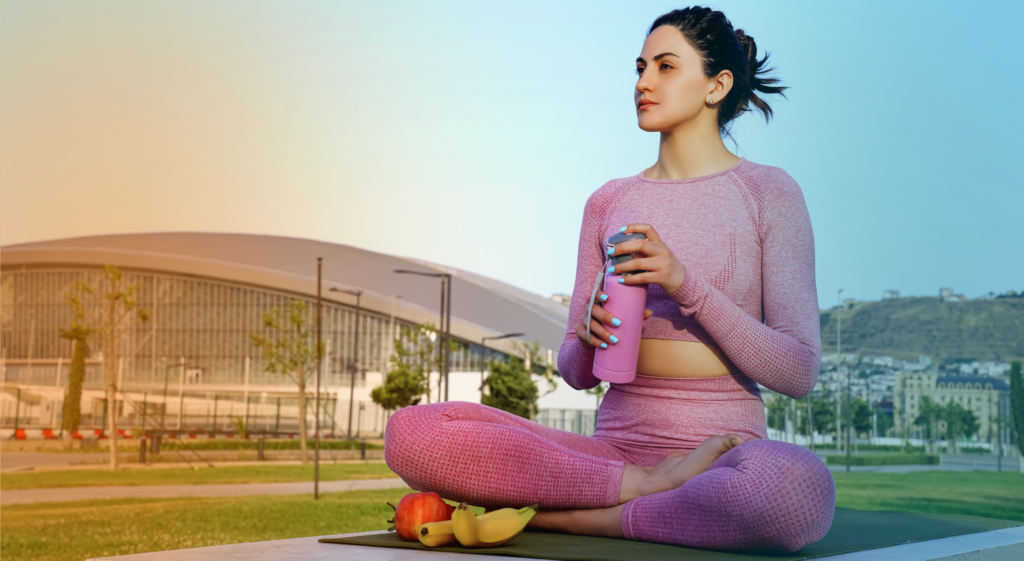
Long-term prevention of diseases and wellness is based on healthy Life style choices. In Apollo Clinic UAE, we are of the opinion that modern healthcare is not just a matter of curing sickness but enable people to take charge of their health by adopting sustainable day-to-day practices.
The prevalence of health conditions in the world is almost 80% non-communicable diseases (NCDs) that include diabetes, heart disease, hypertension, and obesity. These disorders are closely related to lifestyle-related issues such as unhealthy diet, sedentary lifestyle, chronic stress, sleep deprivation, and unhealthy habits. The positive aspect is that lots of these diseases can be prevented, and in some cases reversed, by regular changes of lifestyle.
Understanding Lifestyle Medicine
Lifestyle medicine has been aimed at preventing, controlling, and even reversing chronic illnesses using evidence-based behavioral interventions. Alternative to using drugs only, this method focuses on daily routines that impact the general health.
The key tenets of lifestyle medicine are:
- Balanced nutrition
- Regular physical activity
- Stress management
- Quality sleep
- Strong social connections
Together, these pillars create a powerful framework for lifelong wellness.
The Power of Nutrition
Food does not only serve as fuel, but directs the way our body works. The high vegetable, fruit, whole grain, nut, seed, and low-calorie protein diet is beneficial as it helps the heart and enhances digestion, boosts immunity and decreases inflammation.
Obesity, diabetes, and cardiovascular diseases are caused by highly processed foods, excessive sugar, and bad fats. Simple changes in your diet can help you lower your risk of chronic disease significantly by making small changes in your diet, such as swapping processed snacks with whole food.
However, by making simple nutritional changes one can experience better energy levels, better concentration and better mood.
The Importance of Physical Activity
Exercise is fundamental in keeping muscles fit, joints flexible as well as the heart. Regular physical activity can also aid in controlling the blood sugar levels, weight and anxiety.
Exercise does not involve a lot of rigorous exercises. Even the moderate exercise like brisk walking of 30 minutes daily can have significant health benefits. It is the consistency rather than intensity.
Exercise as well enhances sleep and improves mental health.
Managing Stress Effectively
Chronic stress has an adverse effect on physical and emotional wellbeing. It is capable of elevating blood pressure, impairing immunity, interfering with the digestive system, and putting one at risk of heart diseases.
Relaxation is an activity that can change your routine positively. Stress may be reduced by taking deep breathing exercises, meditation, yoga, journaling, or hobbies.
The clarity, focus, and emotional balance can be increased with the help of several minutes of mindfulness per day.
Prioritizing Quality Sleep
Sleep is a crucial factor that is underestimated and is important in rest and recovery. Inadequate sleep has been incorporated with obesity, diabetes, heart disease, and psychological conditions.
Adults are supposed to have 79 hours of sleep per night. One can improve the quality of sleep by establishing a regular sleeping schedule, screening time before sleep, and ensuring the sleeping environment is comfortable.
With the betterment of sleep, the energy, productivity and mood are bettered as well.
The Value of Social Connections
The relationships between people have a great impact on the emotional and physical well-being. Good social life will decrease stress levels, increase mental strength and happiness.
Socializing and bonding with family, making friends and engaging in community are ways of enhancing overall health. Isolation on the other hand upgrades depression risk and chronic sickness.
When individuals have strong sources of support, they are motivated to be healthier.
Reducing Exposure to Toxins
Development of chronic disease can be contributed by environmental toxins, such as air pollution or the environment in terms of dangerous chemicals. The long-term health is safeguarded by minimizing exposure to contaminated foods by selecting clean foods, maintaining hydration, and avoiding smoking.
The awareness is the initial step in preventing.
Small Changes, Big Results
Adopting a healthier routine does not require drastic transformation. Start with manageable adjustments:
- Add more vegetables to your meals
- Walk for 10–15 minutes daily
- Practice short breathing exercises
- Maintain a regular bedtime
Small, consistent actions accumulate over time and produce meaningful health improvements.
The Future of Preventive Healthcare
Due to the development of technologies, health behaviors are now easier to monitor than ever. Application of the fitness apps, wearable devices and telehealth visits can help individuals to sustain consistent progress.
We encourage patients to integrate medical advice and lifestyle changes at Apollo Clinic UAE so as to have a comprehensive care. In eventualities where the prevention strategies are prioritized, there is a marked improvement in the long-term results.
Conclusion
The way we live today determines our future health. We can decrease the burden of chronic disease and improve our quality of life by focusing on balanced nutrition, frequent exercise, managing stress, sleeping well, and having a good relationship.
At the Apollo Clinic UAE we have the mission of leading people to wellness that is sustainable by making informed choices of lifestyle. Few small steps today can result in a healthier and stronger future.
FAQs
1. How do you start having a healthier lifestyle?
Begin with minor modifications like eating better or putting in a ten-minute stroll every day.
2. Are life style changes truly reversible of chronic diseases?
In most of the examples, the determination of healthy habits can drastically change or even go back to the conditions such as diabetes and hypertension.
3. What is the weekly recommendation of exercise?
Moderate-intensity exercise is normally recommended at least 150 minutes per week.
4. What can I do to cope with stress?
Use relaxation methods like meditation and deep breathing or do the things you like to do.
5. Is traditional treatment a substitution of lifestyle medicine?
Lifestyle medicine is not a replacement of medical care but should be used together with qualified medical care.

