

Key Takeaways
Choosing an orthopedic doctor is easier when you compare clinical fit with comfort, access, and follow-up care.
-
Start by identifying whether you need care for an injury, arthritis, spine problem, or another musculoskeletal concern.
-
Check the doctor’s licensing, training, subspecialty focus, and experience with both nonsurgical and surgical treatment.
-
A orthopedic doctor in Dubai who is board-certified and has extensive experience in your specific condition may offer a consultation setting that feels more comfortable for your needs and preferences.
-
Ask about diagnostic testing, treatment alternatives, expected recovery, costs, insurance, and rehabilitation.
-
Prepare your records and seek urgent care for severe pain, visible deformity, sudden weakness, or loss of function.
Understand what an orthopedic doctor can treat
Orthopedic doctors diagnose and manage conditions affecting bones, joints, muscles, ligaments, tendons, and sometimes the spine. You may see one after an accident, because pain has gradually limited your movement, or when an old injury keeps returning. The right specialist depends less on a broad title and more on the body area, diagnosis, and treatment you may need. If you are still deciding whether your symptoms warrant specialist attention, this guide to when orthopedic care may be needed can help you organize your concerns.
Bone, joint, and muscle conditions
An orthopedic consultation can cover fractures, sprains, tendon problems, joint pain, cartilage damage, and reduced range of motion. Your doctor will usually ask how the problem began, examine the area, and consider whether imaging or other tests are appropriate. Bring up small changes in daily function too, such as difficulty climbing stairs, opening jars, or sleeping comfortably.
Sports injuries and active lifestyle concerns
If you run, train, play recreational sports, or simply want to stay active, look for a doctor who understands both injury treatment and a safe return to movement. A good assessment distinguishes a temporary strain from a more significant ligament, tendon, or bone injury. The plan should reflect your activity, work demands, and goals rather than only the scan result.
Spine, arthritis, and chronic pain problems
Back and neck pain, arthritis, and persistent stiffness often require a broader review than a single painful spot. Your doctor may consider posture, movement, strength, previous injuries, and the effect of symptoms on work or sleep. Chronic pain deserves a clear explanation and a step-by-step plan, even when surgery is not being considered.
Pediatric and age-related orthopedic needs
Children may need an orthopedic assessment for repeated falls, gait changes, limb differences, injuries, or concerns about development. Older adults may need help with arthritis, balance-related injuries, fractures, or declining mobility. For pediatric questions, you can also review this pediatric orthopedic profile as an example of why focused training matters.
Why choose a Orthopedic doctor in Dubai
Choosing a orthopedic doctor in Dubai can be a personal preference, and it does not replace checking clinical qualifications. You may feel more at ease describing pain, discussing mobility limitations, or asking questions during an examination with a physician. Comfort can make it easier to share relevant details and participate in decisions. The best choice is the doctor who combines appropriate expertise with communication that works for you.

Communication and comfort during consultations
A consultation should give you room to explain what you feel, when it happens, and what you have already tried. Notice whether the doctor listens without rushing, explains unfamiliar terms, and checks that you understand the options. Clear communication matters because treatment decisions are easier to follow when you know what each step is intended to do.
Experience with women’s musculoskeletal health
Women can experience musculoskeletal concerns across different stages of life, including sports injuries, pregnancy-related changes, osteoporosis-related fractures, and age-related joint problems. Ask whether the doctor regularly treats the condition affecting you and how that experience fits your circumstances. Avoid assuming that gender alone determines expertise; use it as one part of a wider assessment.
Culturally sensitive and patient-centered care
You should be able to discuss examination preferences, privacy, family involvement, language needs, and treatment concerns respectfully. Patient-centered care also means considering your schedule, responsibilities, beliefs, and comfort with different options. If an examination or procedure feels unclear, you can ask what will happen before agreeing to it.
When a gender-specific preference may be important
A gender preference may matter when you are anxious about a physical examination, have experienced discomfort in previous consultations, or want to discuss sensitive symptoms more freely. It may also help when a family member is arranging care for you. You still deserve the same standard of licensing, diagnosis, informed consent, and follow-up regardless of the doctor’s gender.
Evaluate a doctor’s qualifications and experience
Once you have identified the type of care you need, review the doctor’s professional background carefully. Look for current licensing, relevant training, and experience with your particular condition or procedure. Hospital access, diagnostic support, and rehabilitation arrangements can affect the continuity of care. A doctor’s profile is a starting point, not a substitute for asking direct questions at the appointment.
Medical training, licensing, and certifications
Check the medical degree, orthopedic training, specialist registration, and any certifications relevant to the service you are seeking. In Dubai, confirm that the doctor is appropriately licensed by the relevant health authority. You can compare this information with the doctor’s official profile and ask the clinic to clarify anything that is missing or difficult to understand.
Subspecialty expertise and treatment focus
Orthopedics includes several focused areas, such as sports medicine, joint replacement, spine care, hand surgery, foot and ankle treatment, trauma, and pediatric orthopedics. A doctor who treats your body area regularly may be better placed to assess your options than a general match based only on availability.
Hospital affiliations and clinical resources
Ask where consultations, imaging, procedures, and surgery take place. Hospital affiliation may matter if you need an operation, coordinated specialist care, or access to emergency services. A clinic with broader services can also make it simpler to arrange testing and follow-up, although you should still confirm what is available for your specific case.
Experience with surgical and nonsurgical care
A balanced consultation should explain conservative options as well as circumstances in which surgery might be considered. Ask how often the doctor manages conditions like yours, what recovery typically involves, and what risks or limitations apply. For a broader orthopedic setting, Apollo Clinic describes diagnostic care, minimally invasive surgery, and personalized rehabilitation programs for orthopedic conditions.
Match the specialist to your condition
The most suitable orthopedic doctor depends on the diagnosis, not only on the fact that you have pain. Begin with the main problem area and the activity or event that caused it, then check whether the doctor’s experience matches. You may need a referral or imaging before the exact subspecialty becomes clear. A useful match should also include a realistic plan for review and rehabilitation.
Sports medicine for sprains and performance injuries
Sports medicine may be appropriate for sprains, overuse injuries, tendon pain, ligament injuries, and problems that affect training or performance. Ask whether the doctor evaluates movement and return-to-activity goals, not just acute pain. Treatment may involve rest, targeted exercises, support, medication, or a procedure depending on the findings.
Joint replacement for advanced arthritis
Severe hip or knee arthritis may lead to a discussion about joint replacement when pain and stiffness continue despite appropriate nonsurgical care. The decision should consider your function, health, imaging, expectations, and readiness for rehabilitation. A consultation should explain alternatives and the likely recovery pathway rather than treating surgery as an automatic next step.
Spine care for back and neck conditions
For back or neck symptoms, look for experience with the type of spinal problem suspected and ask how the diagnosis will be confirmed. Many cases begin with movement advice, medication, physical therapy, or other nonsurgical measures. Seek urgent evaluation if pain is accompanied by new weakness, loss of bladder or bowel control, or numbness in a concerning pattern.
Hand, wrist, foot, and ankle treatment
Small joints and complex tendons can have a large effect on work, walking, and everyday tasks. Choose someone familiar with the affected area and ask how treatment may influence grip, balance, footwear, or fine movement. You may also want to know whether therapy and follow-up are available after a procedure.
Pediatric orthopedic evaluation
Children benefit from an assessment suited to their age, growth, communication style, and family concerns. Ask how the doctor evaluates gait, alignment, injuries, or developmental differences and how progress will be monitored. A pediatric specialist’s experience should be especially clear when the problem is complex or likely to change as the child grows.

Compare consultation and treatment options
A first appointment should help you understand what may be causing the problem and what to do next. You are not expected to accept a treatment plan without understanding its purpose, alternatives, and likely limitations. Diagnostic testing should support the clinical assessment rather than replace it. When comparing clinics, consider how clearly the team explains the full journey from evaluation through recovery.
What to expect during the first appointment
Your doctor will ask about symptoms, examine movement and strength, and review relevant medical history. You may discuss work, exercise, sleep, previous injuries, and what you hope to regain. The appointment may end with a working diagnosis, recommended tests, an initial treatment plan, or a follow-up date.
Diagnostic imaging and clinical assessments
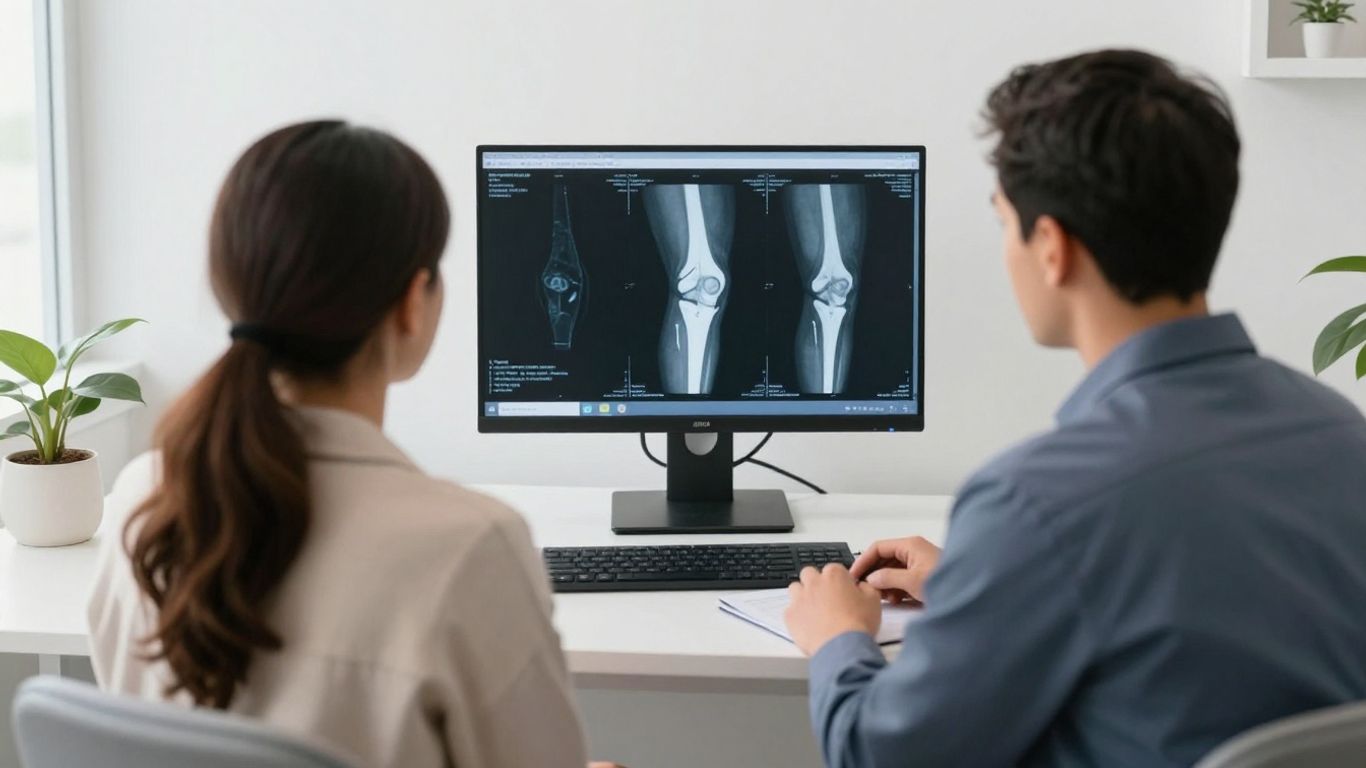
X-rays, ultrasound, MRI, or other tests may be recommended depending on your symptoms and examination. Ask what the test is intended to clarify and when you can expect the result to be reviewed. Bring previous scans when possible, since repeating an examination may not be necessary if the existing images are suitable.
Physical therapy, medication, and injections
Nonsurgical care may include physical therapy, activity changes, medication, supports, or injections when clinically appropriate. Ask how long you should try a treatment, what improvement should look like, and what to do if symptoms worsen. Rehabilitation is more useful when exercises and restrictions are specific to your condition and daily routine.
When surgery may be recommended
Surgery may be discussed when structural damage, persistent symptoms, loss of function, or failure of suitable nonsurgical care makes it reasonable. Ask about the goal, alternatives, risks, anesthesia, hospital stay, rehabilitation, and expected return to activities. A second opinion is sensible when the procedure is major or you remain uncertain.
Seeking a second medical opinion
A second opinion can help you compare diagnoses, clarify conflicting recommendations, or feel more confident before surgery. Bring your reports, images, medication list, and a written summary of previous treatment. It is not a sign of distrust; it is a practical way to make an informed decision.
Consider practical factors before booking
Clinical quality matters, but practical details can determine whether you complete treatment. Consider travel time, insurance, appointment timing, communication, facilities, and the availability of follow-up. A well-organized clinic can make a difficult period feel more manageable. Apollo Clinic describes a multispecialty, patient-centered setting with medical and surgical specializations, so you can ask how its services fit your needs before booking.
Location and accessibility across Dubai
Choose a location you can reach for the first assessment and any later reviews, therapy, or imaging. Check parking, public transportation, building access, and whether someone can accompany you after a procedure. If you live outside Dubai , ask whether follow-up can sometimes be coordinated conveniently.
Health insurance and expected costs
Before confirming an appointment, ask whether the doctor and facility accept your insurance plan and whether preauthorization is needed. Request an estimate for consultation, imaging, procedures, surgery, and rehabilitation when possible. Written cost information can prevent confusion later, particularly when more than one service is involved.
Appointment availability and language preferences
Ask how soon you can be seen, whether urgent appointments are available, and which languages the doctor and support staff speak. You should be able to explain symptoms accurately and understand consent forms and instructions. Do not choose solely on the earliest slot if the doctor’s experience does not fit your condition.
Hospital facilities and emergency support
If you may need a procedure, find out where it will be performed and how urgent concerns are handled outside clinic hours. Ask whether imaging, surgery, anesthesia, and inpatient care are available through the same network or require another arrangement. If you have a preferred hospital, ask whether the doctor has admitting privileges there.
Follow-up care and rehabilitation services
Recovery often depends on what happens after the consultation or procedure. Ask who coordinates physical therapy, how progress is reviewed, and whom you should contact if pain or swelling changes. A rehabilitation plan should account for your mobility, work, home responsibilities, and gradual return to activity.
Prepare for your appointment
A little preparation can make the consultation more productive and less stressful. Write down your main concern, what has changed, and what you want to be able to do again. Bring the information that helps the doctor see the full picture, but do not worry about describing everything in medical language. Your role is to report what you notice and ask questions.
Symptoms, pain patterns, and medical history
Record where the pain is, when it began, what makes it better or worse, and whether it affects sleep or movement. Mention swelling, numbness, weakness, fever, previous injuries, and relevant conditions such as osteoporosis or diabetes. Include current medications and allergies, even if they do not seem related.
Previous scans, reports, and treatment records
Bring imaging reports, scan discs or digital access, operative notes, therapy records, and a list of treatments you have tried. Note whether medication, rest, exercises, injections, or supports helped and for how long. A concise timeline can help the doctor avoid repeating steps without a clear reason.
Questions about diagnosis and treatment goals
Prepare questions about the likely diagnosis, recommended tests, treatment alternatives, and what happens if you wait. Ask what improvement should look like and how you will know whether the plan is working. If you have a personal goal, such as returning to work, lifting a child, or walking without pain, say so directly.
Recovery timelines and activity restrictions
Ask when you can drive, work, exercise, lift, climb stairs, or return to sport. Recovery varies with the diagnosis, treatment, general health, and rehabilitation, so treat timelines as estimates rather than promises. Before leaving, repeat the key instructions in your own words to confirm that you understood them.
Warning signs that require urgent care
Seek urgent medical attention for a severe injury with obvious deformity, uncontrolled bleeding, sudden inability to use a limb, rapidly increasing swelling, or new significant weakness or numbness. Chest pain, severe shortness of breath, or sudden loss of bladder or bowel control also require emergency evaluation rather than a routine orthopedic appointment. If you are unsure, contact local emergency services or a qualified clinician promptly.
Conclusion
The right female orthopedic doctor in Dubai should match your condition, explain your options clearly, and offer a practical path from diagnosis to recovery. Compare qualifications, focused experience, access, costs, and follow-up, then choose a consultation in which you feel heard and comfortable asking questions.
Frequently Asked Questions
What conditions do orthopedic doctors treat?
They commonly assess injuries and conditions involving bones, joints, muscles, ligaments, tendons, and the spine, including fractures, arthritis, sports injuries, and chronic pain.
Should I see a specialist for persistent joint pain?
Consider an orthopedic consultation when pain continues, limits daily activities, causes swelling or reduced movement, worsens, or does not improve with sensible initial care.
What should I bring to an orthopedic appointment?
Bring identification and insurance information, medication and allergy details, previous scans and reports, treatment records, and a short timeline of your symptoms.
Are orthopedic consultations always followed by surgery?
No. Treatment may include activity changes, physical therapy, medication, supports, or injections. Surgery is considered only when the diagnosis and circumstances make it appropriate.
When should an orthopedic injury be treated as urgent?
Seek urgent care for a visible deformity, uncontrolled bleeding, severe injury, sudden weakness or numbness, loss of limb function, or symptoms suggesting a serious neurological or medical problem.
Is it reasonable to seek a second orthopedic opinion?
Yes. A second opinion can clarify the diagnosis and alternatives, especially before major surgery or when recommendations differ. Bring your imaging, reports, and treatment history to the review.